Design Hotels Are Back with New Icons in Unusual Places
Forget the predictable capitals. This year, the most exciting design-led hotels are redefining luxury through architecture, craft, and a strong point of view.
Design hotels have always existed at the intersection of aesthetics and aspiration. But in recent years, luxury hospitality became oddly homogenised: neutral palettes, familiar layouts, a certain “international five-star” look that could belong anywhere. That era is ending.
In 2026, design hotels are having a confident return not as trendy backdrops, but as serious cultural spaces. The new icons are not merely beautiful; they’re architecturally intelligent, rooted in local craft, and designed around the emotional choreography of travel: arrival, transition, pause, ritual.
Even more interesting? The new design capitals aren’t necessarily Paris, London, Milan or New York. They’re unexpected places - where architecture has more room to breathe and creativity isn’t overpolished by global luxury sameness.
Here’s why design hotels are back and how to spot the ones that truly matter.
Why Design Hotels are Trending Again
1) Luxury has become visual again — but in a smarter way
Yes, travellers still care about aesthetics. But not in a superficial Instagram sense. In 2026, “beautiful” means considered, crafted, tactile. People are tired of generic. They want hotels that feel like they could only exist there.
2) Architecture is the new status symbol
A recognisable brand isn’t the flex it once was. The new luxury signal is taste and architecture is the clearest expression of it.
3) ‘Emotional layout’ is replacing ornament
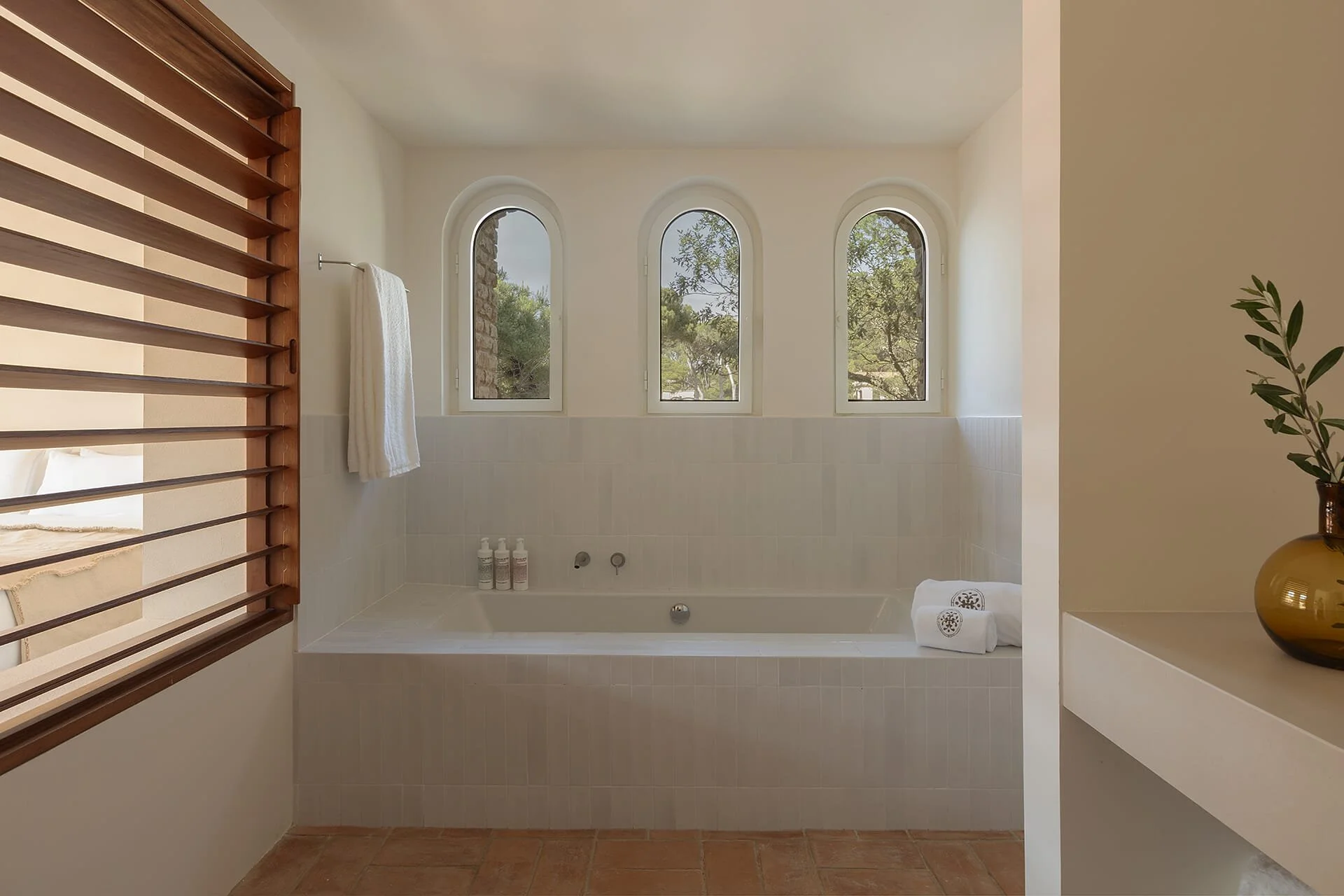
The best hotels today use design to influence mood:
shaded spaces to soften intensity
light transitions to create calm
materials that feel grounding
silence engineered into rooms
Let’s face it - design is no longer surface-level. It’s an experience.
What Makes a Design Hotel Truly Iconic
These are some specific aspects we always focus on when choosing our favourites:
It has a point of view - Design hotels should feel authored - like a distinctive voice. You should sense intention in every line.
It respects local craft - True luxury design is deeply regional: stone, timber, textiles, ceramics - not copy-pasted trends.
It understands pace - The best hotels in 2026 are designed to slow you down. They make lingering feel natural.
Where to look for the next design hotel icons
THE MEDITERRANEAN “NEW LUXE” REGIONS
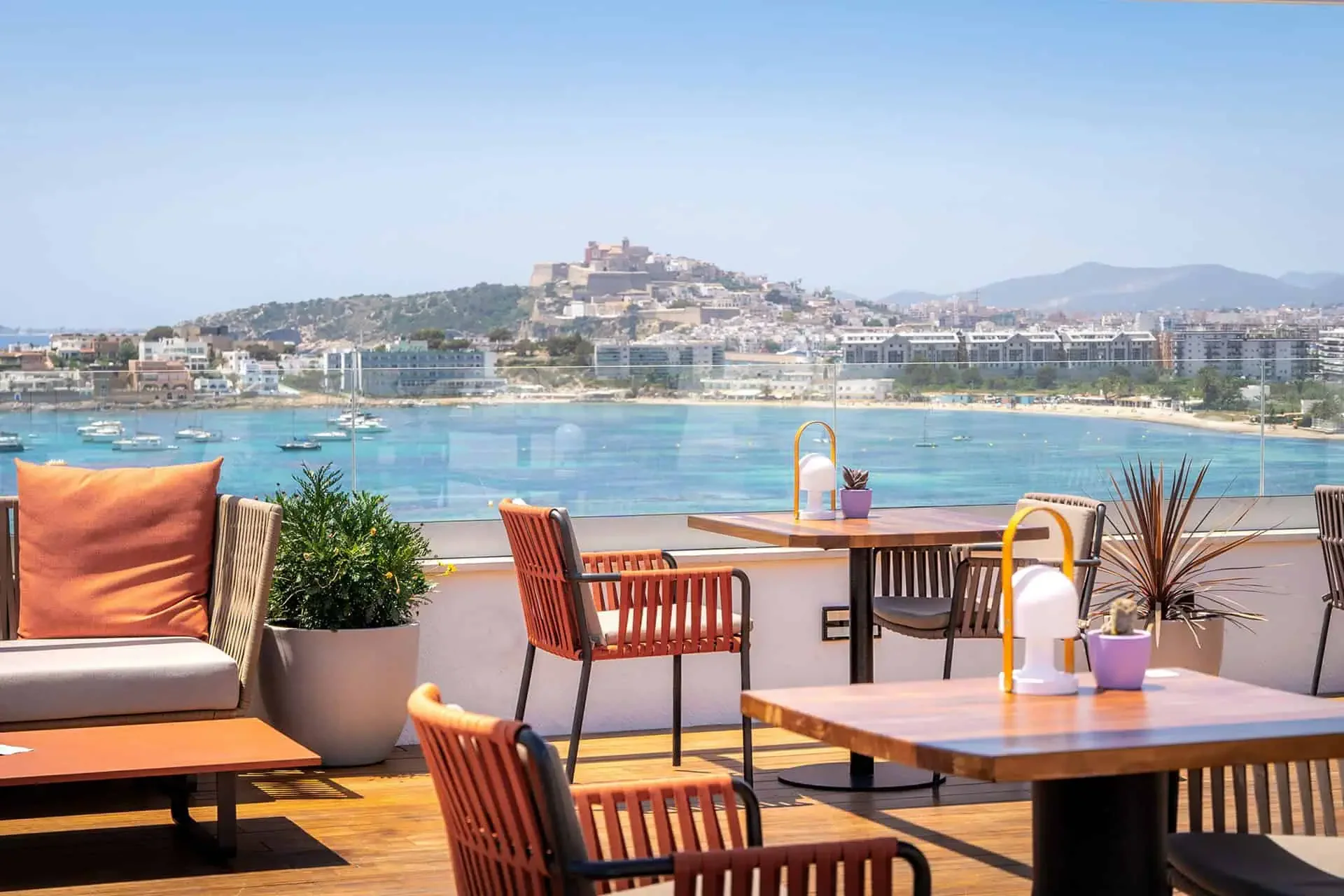
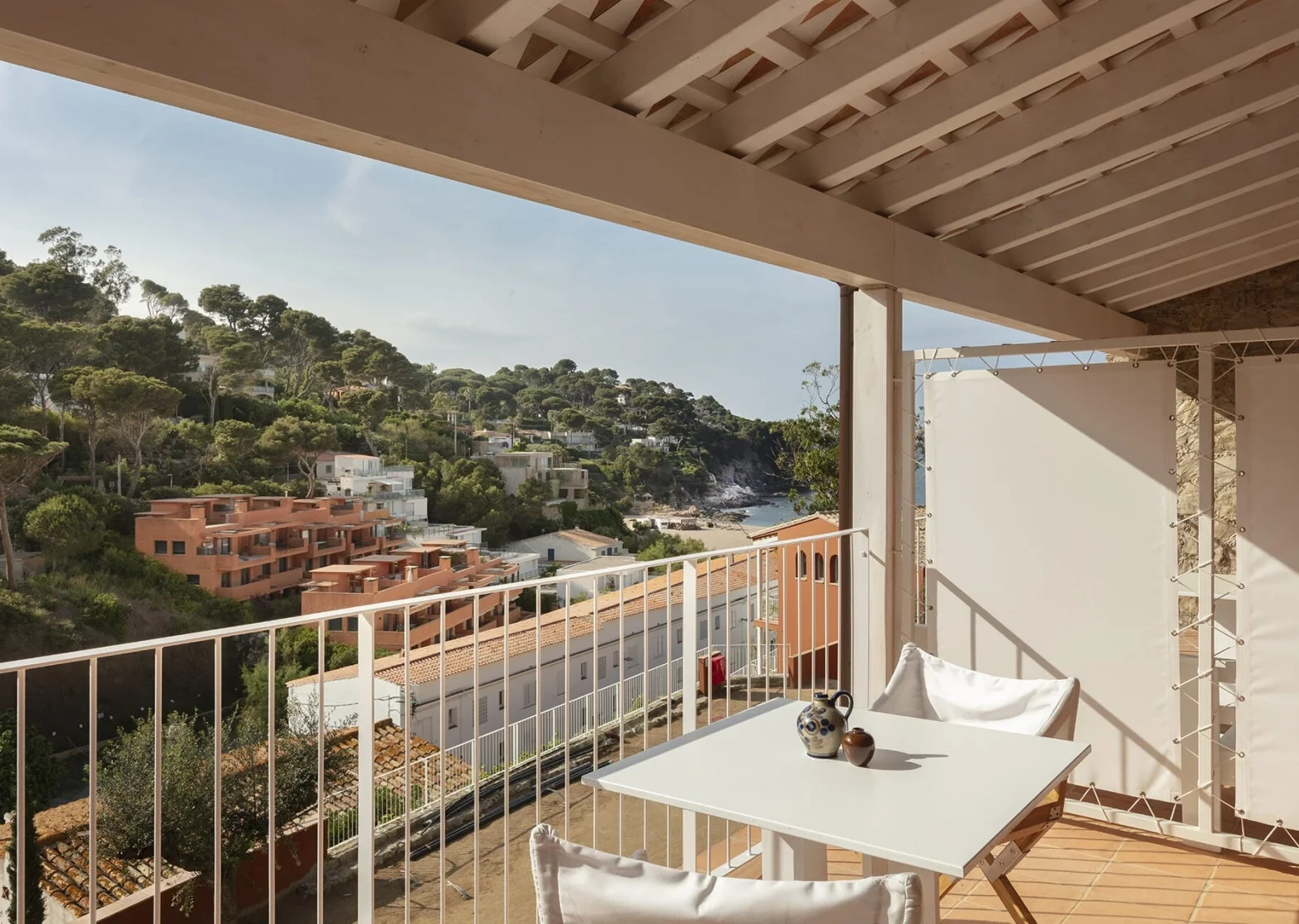
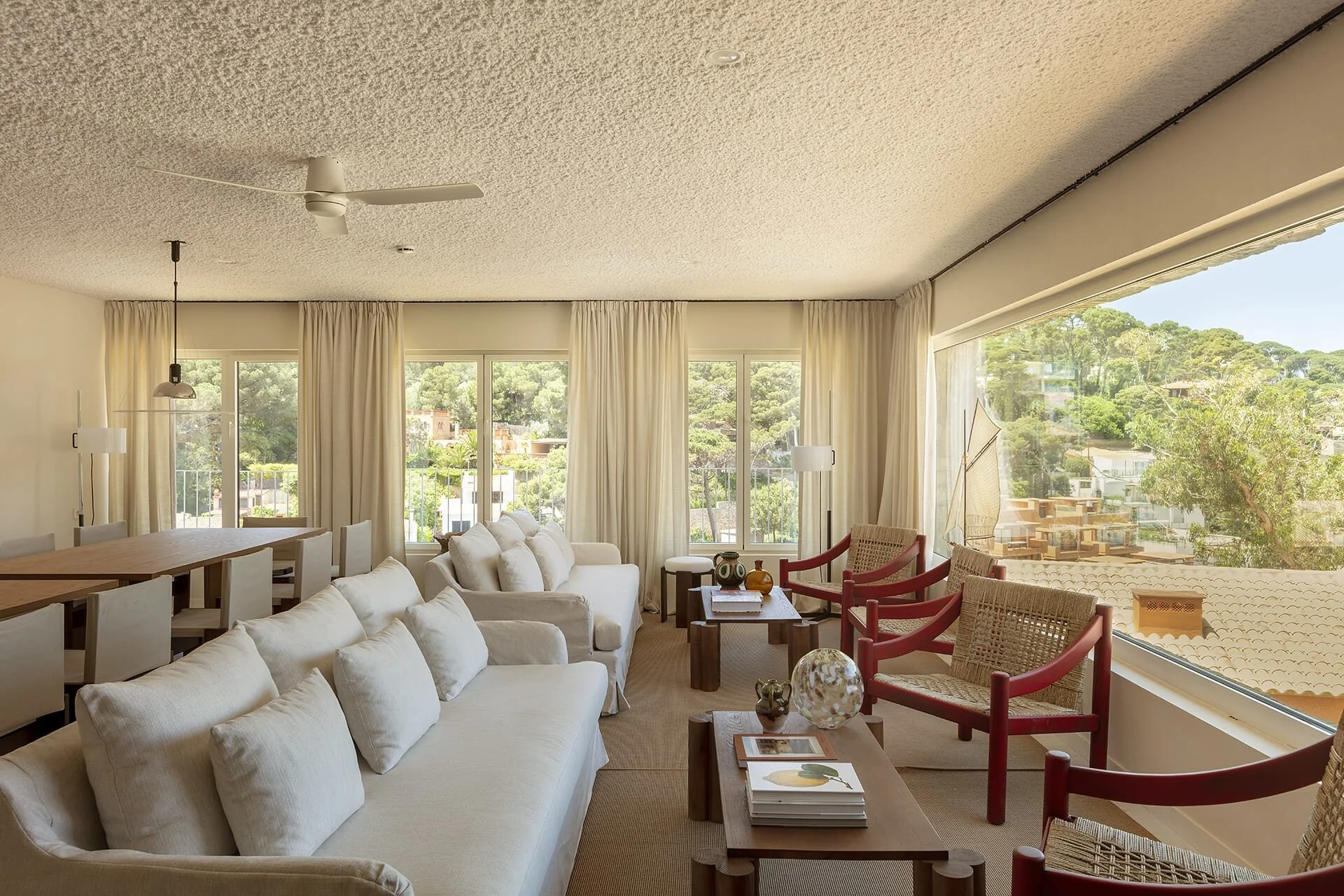
Coastal properties that blend restraint with texture - tactile luxury that doesn’t shout.
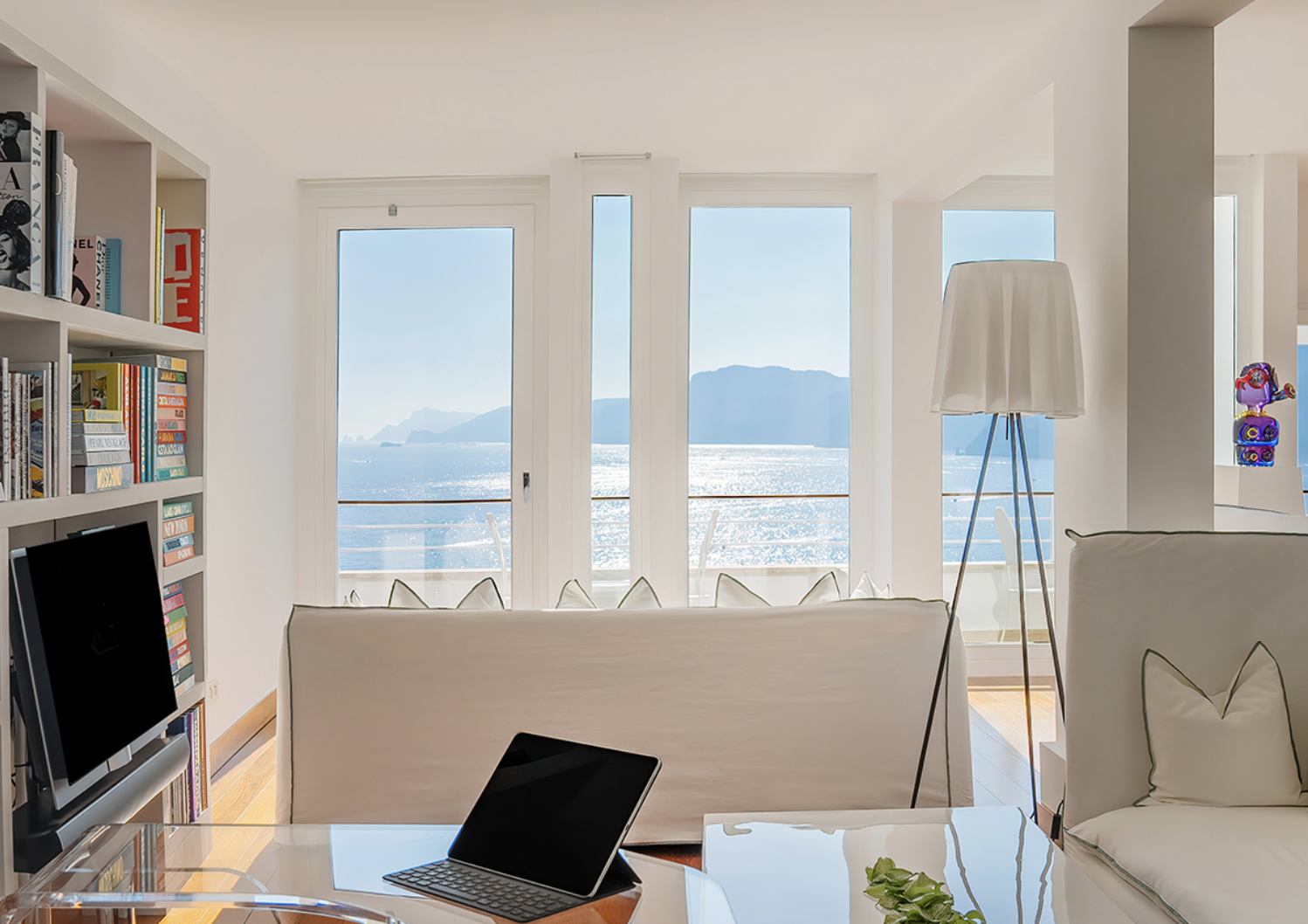
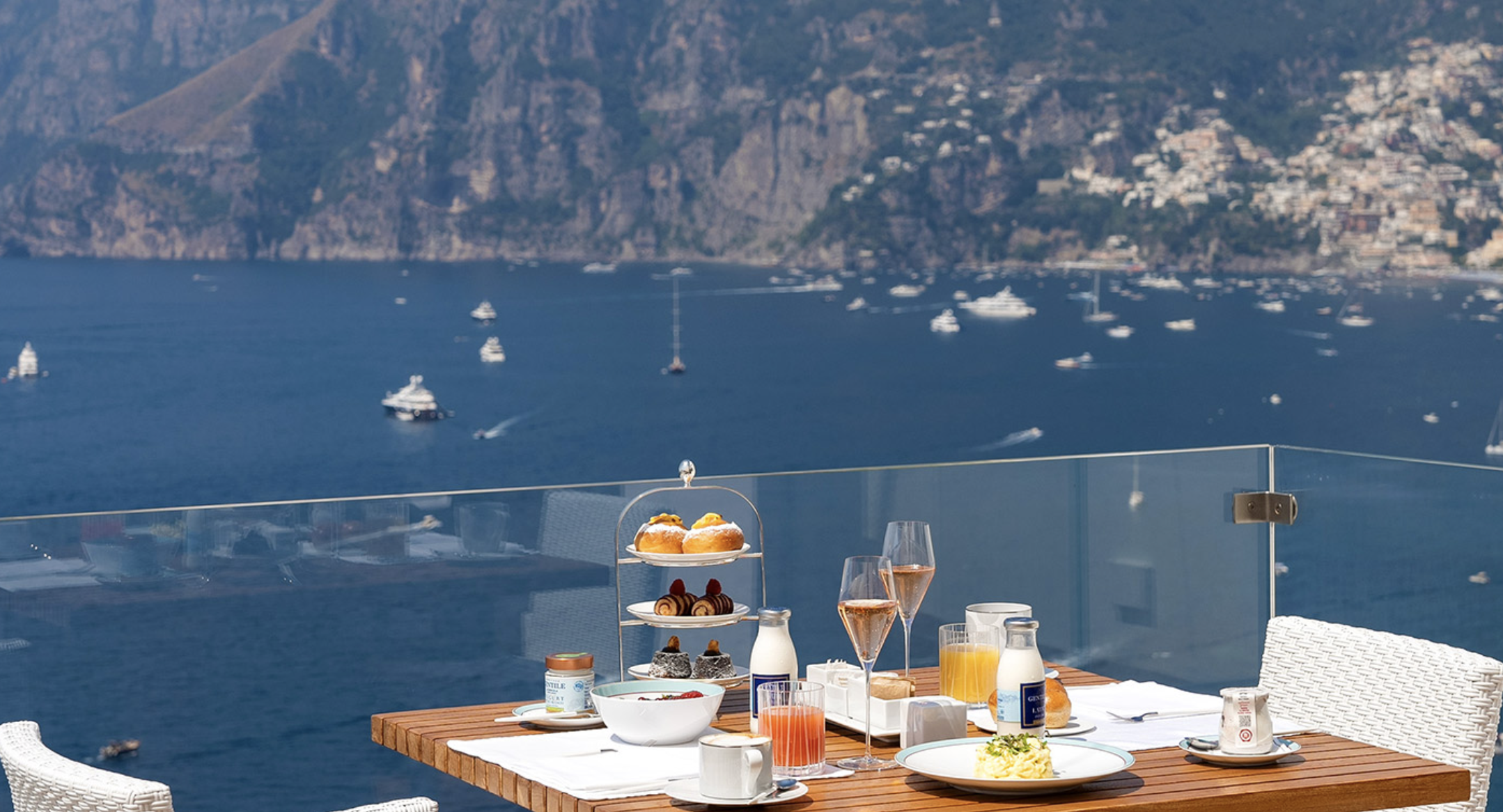
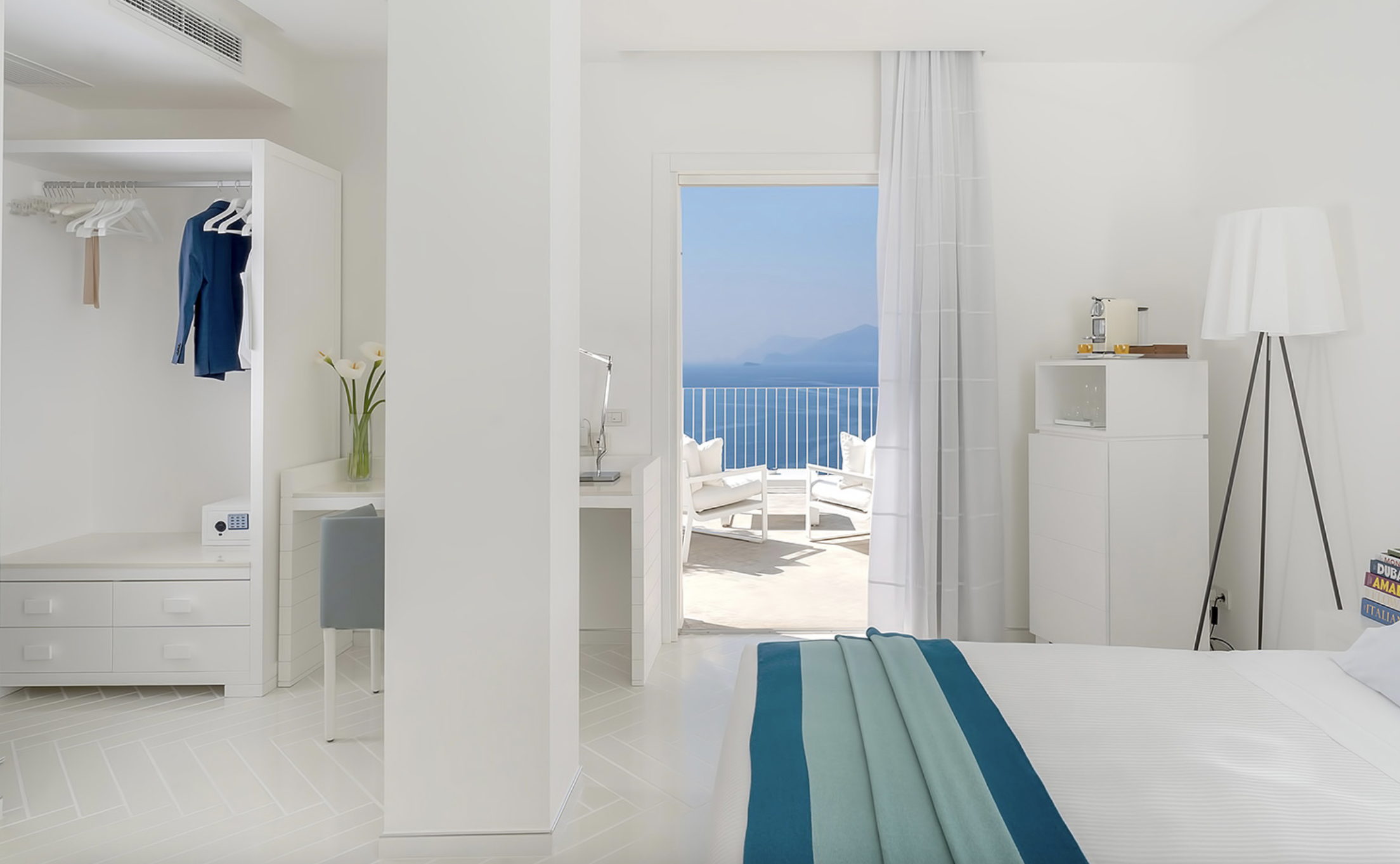
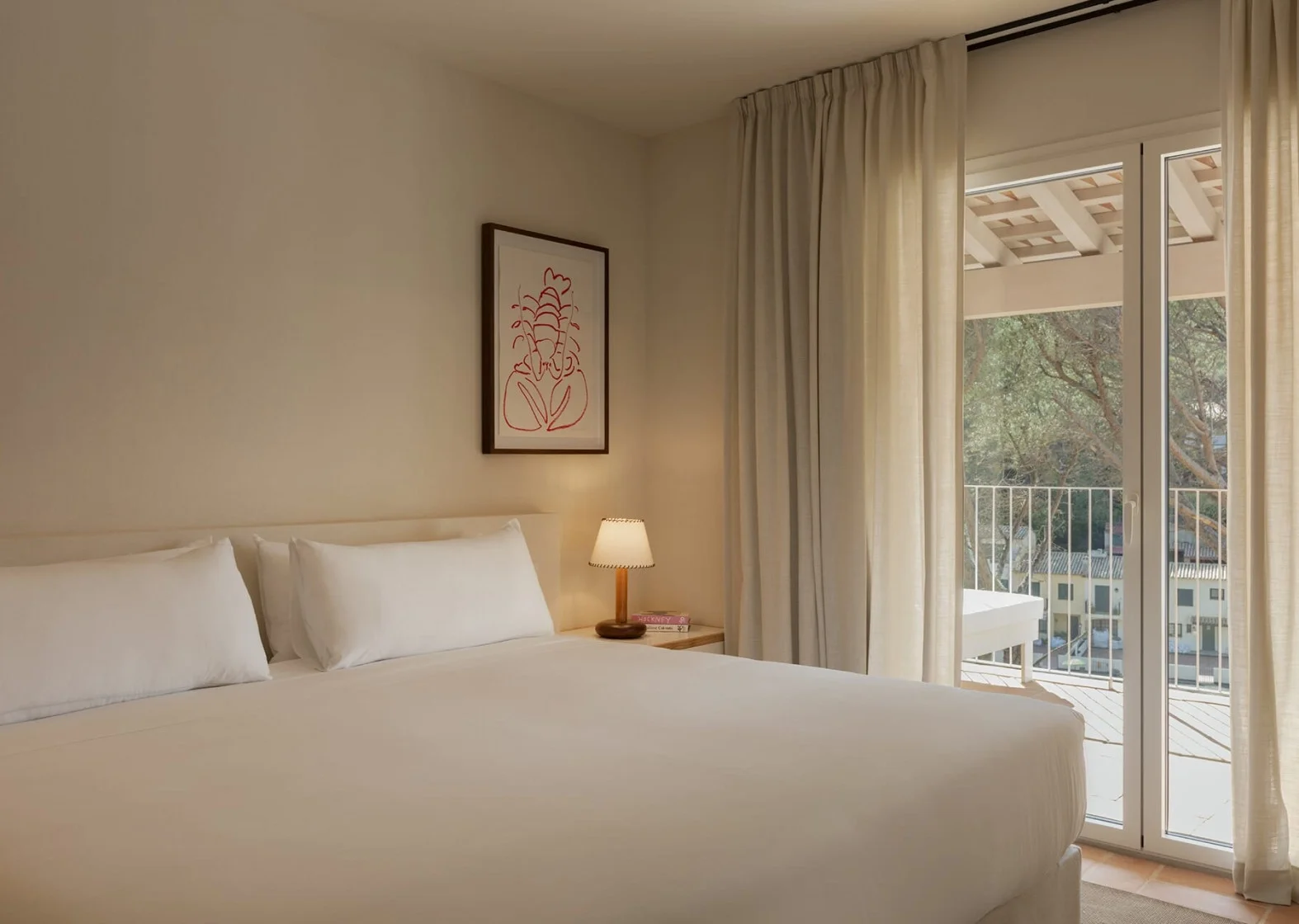
Ocean Drive Talamanca (Ibiza, Spain)
Casa Angelina (Sorrento, Italy)
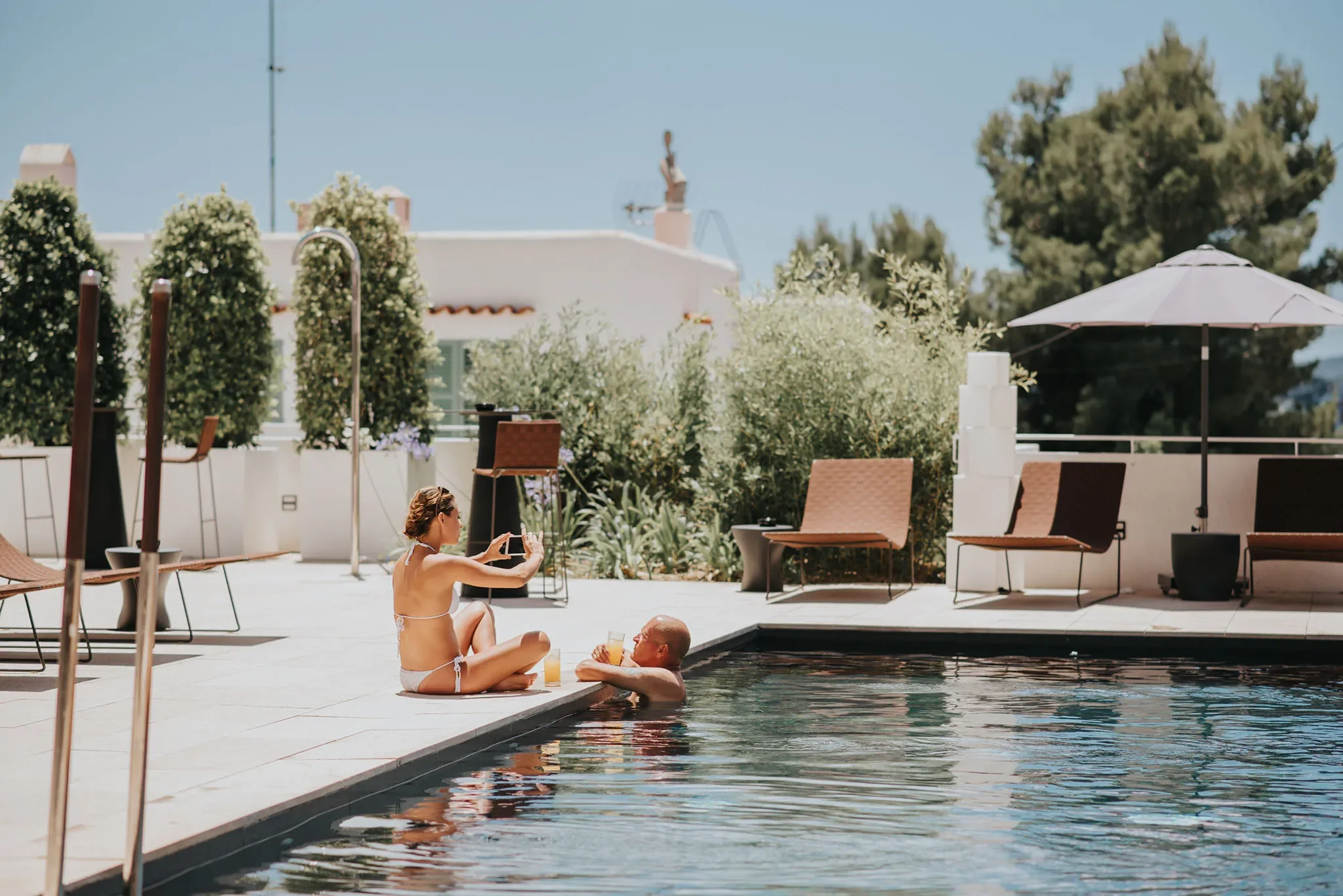
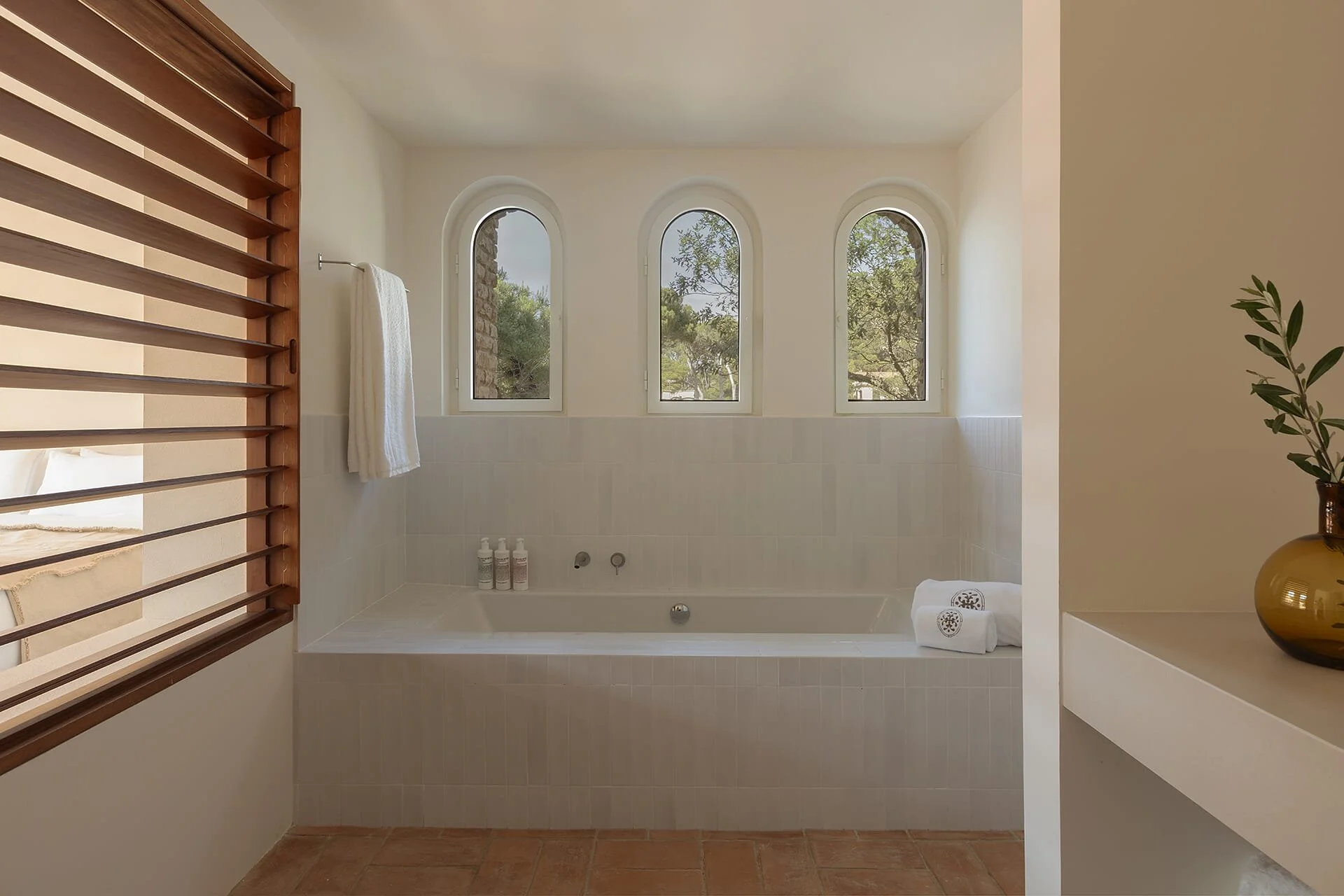
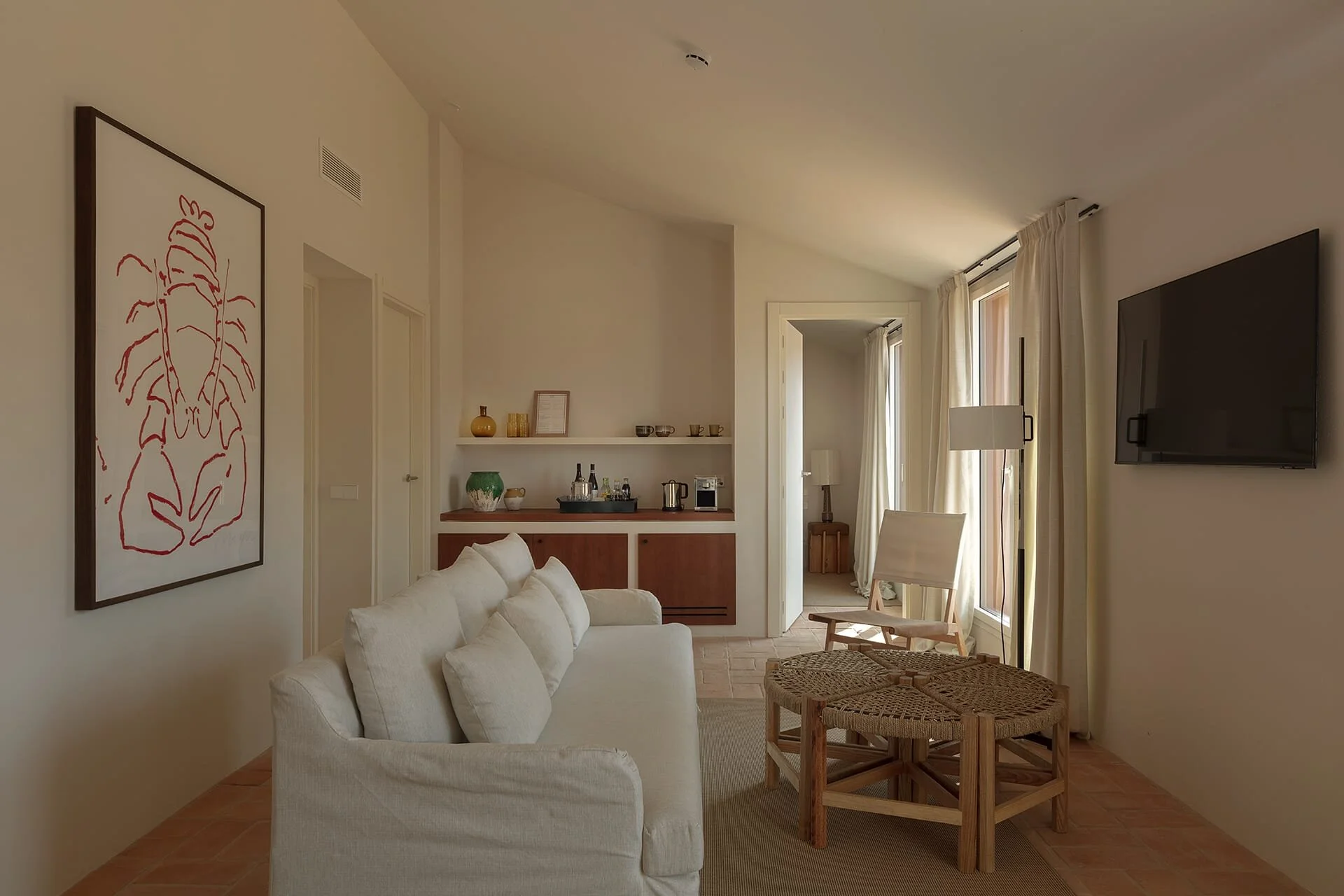
Finca Victoria Hotel & SPA (Begur, Costa Brava)
NORTH AFRICA
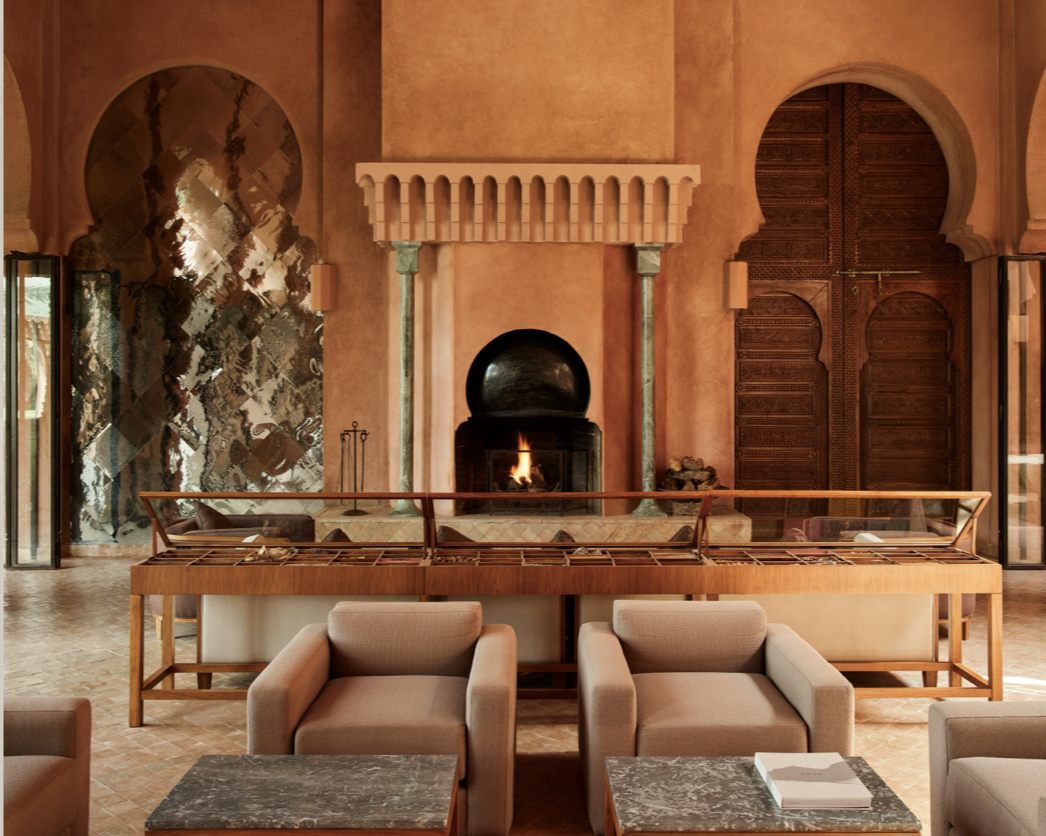
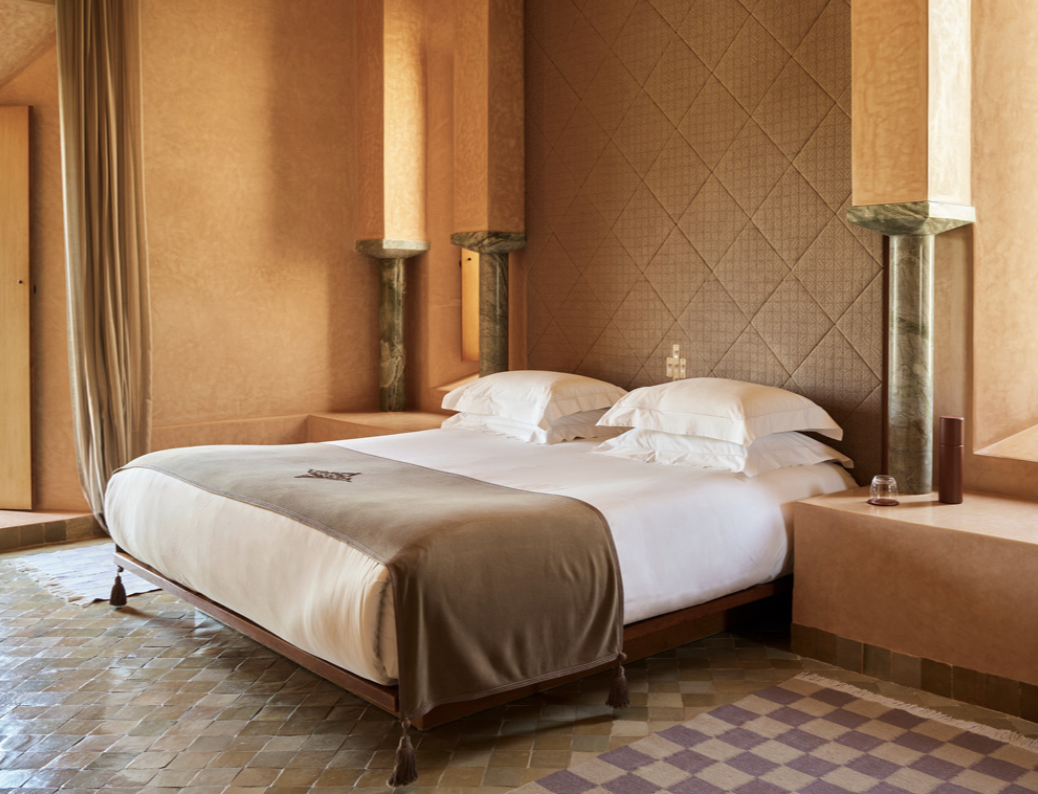
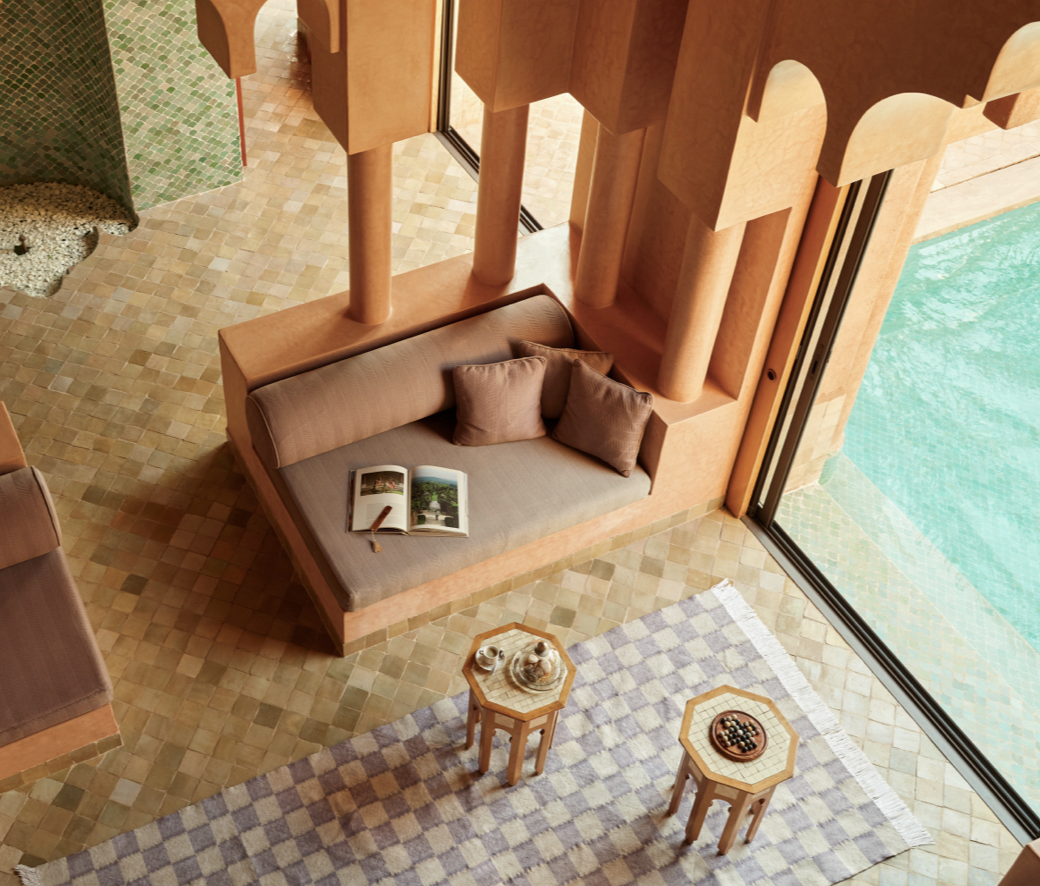
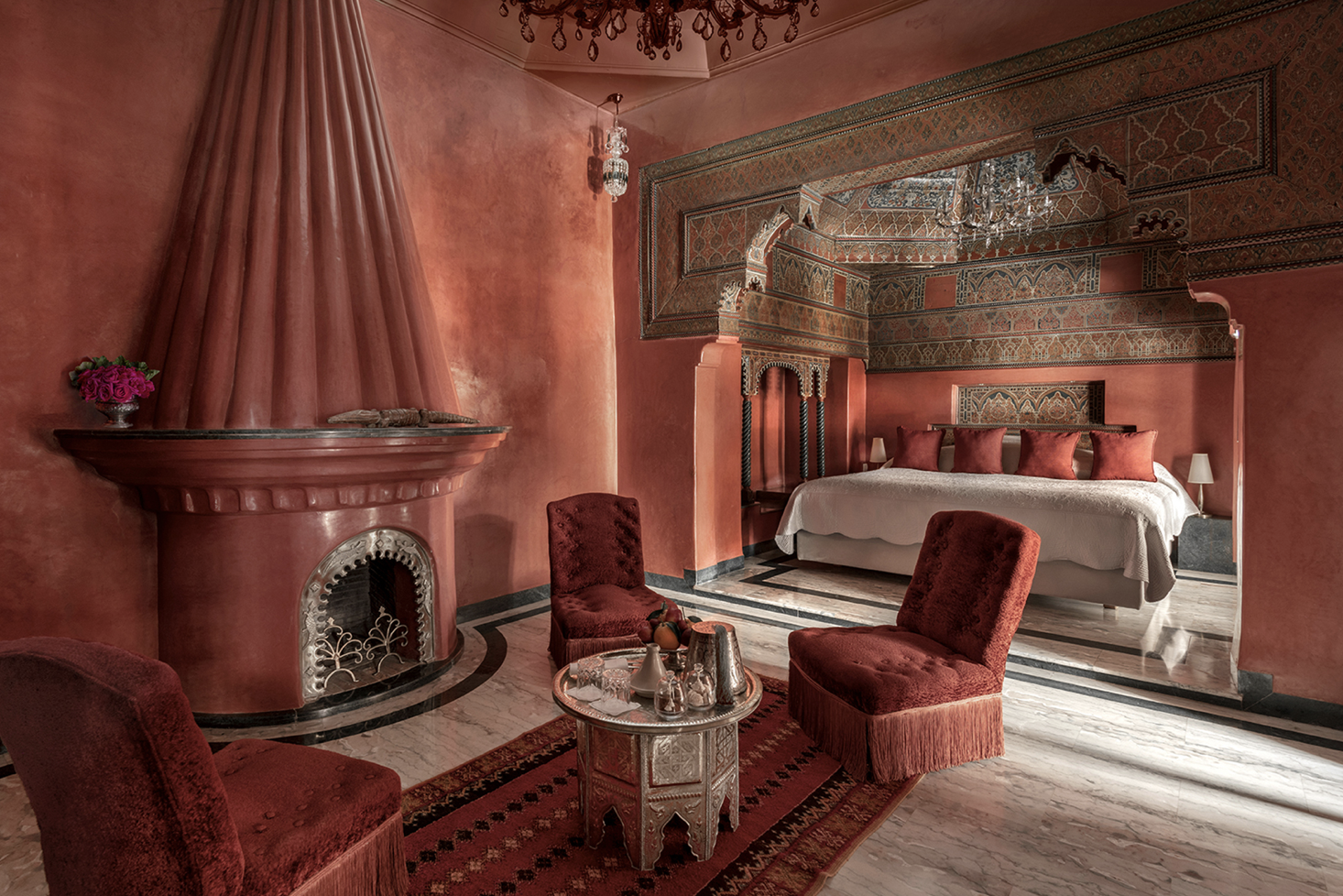
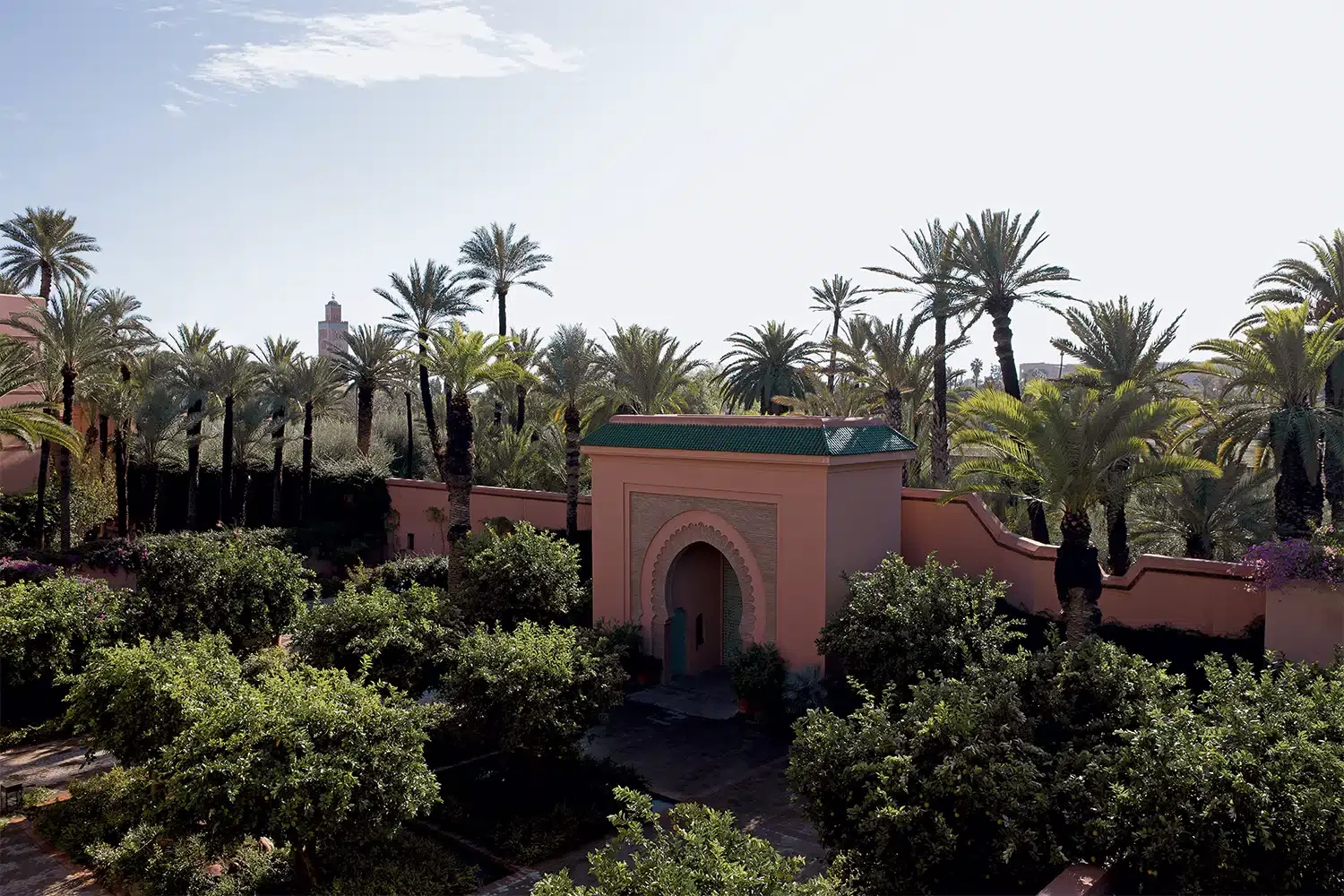
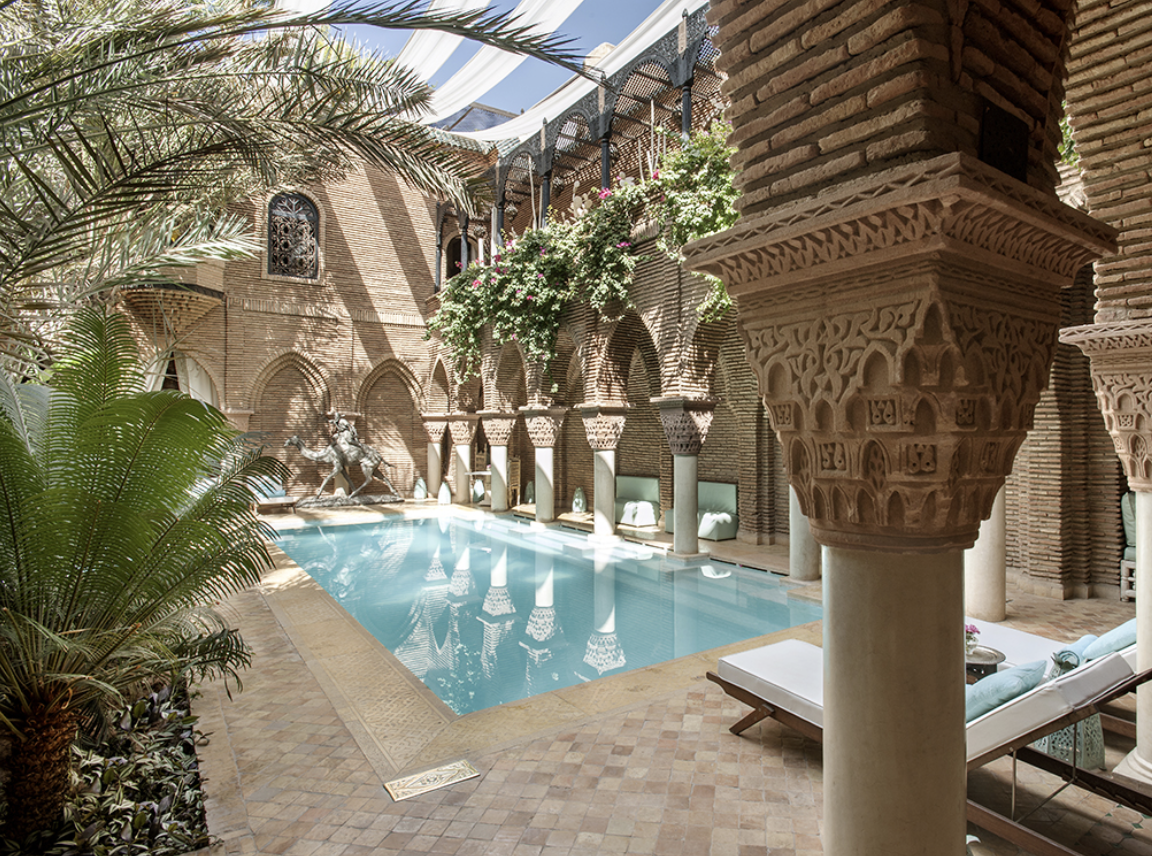
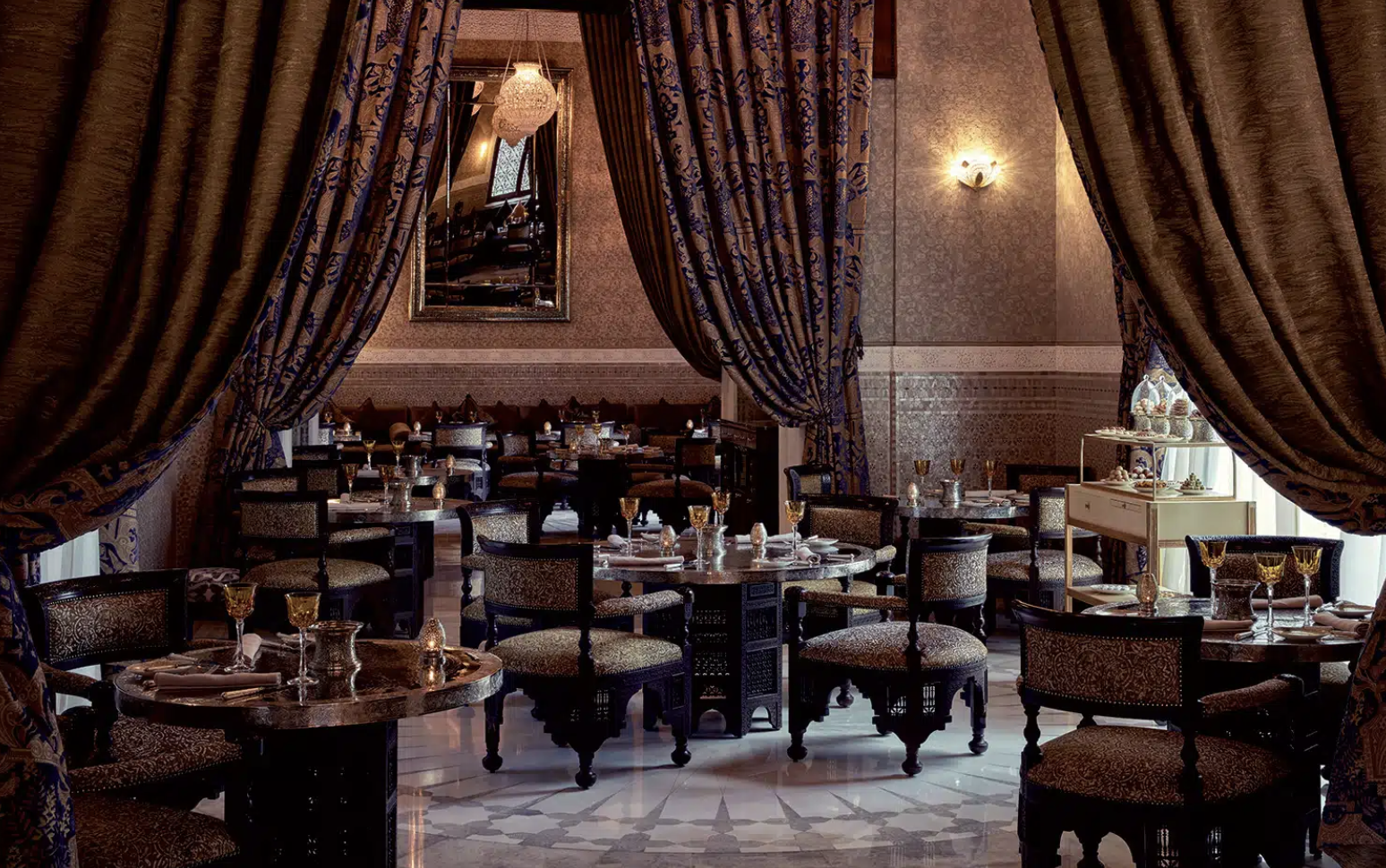
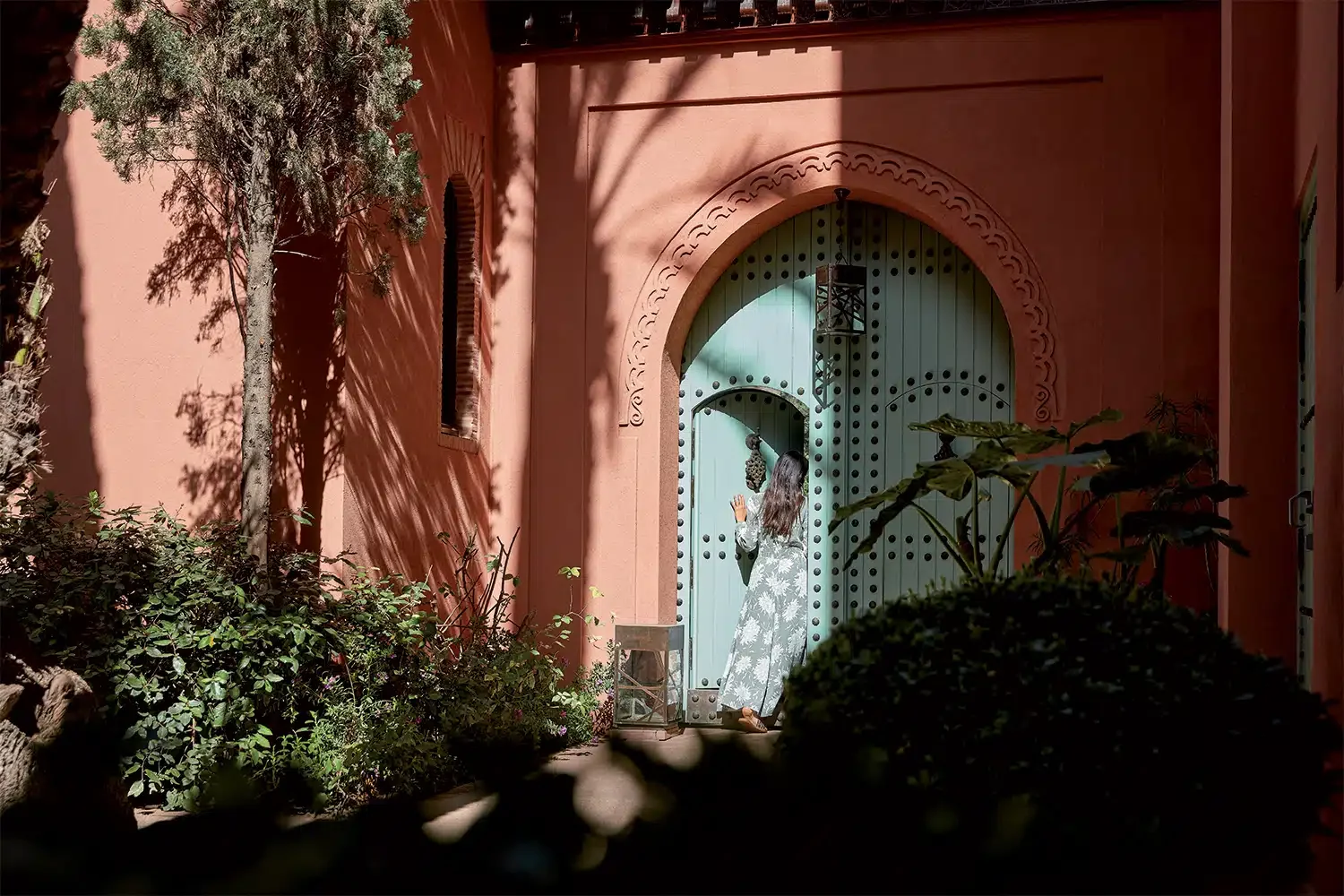
Morocco owns a rich design language: courtyards, riads, craftsmanship, and architecture that works with climate rather than against it.
Amanjena
La Sultana Marrakech
Royal Mansour Marrakech
THE MIDDLE EAST
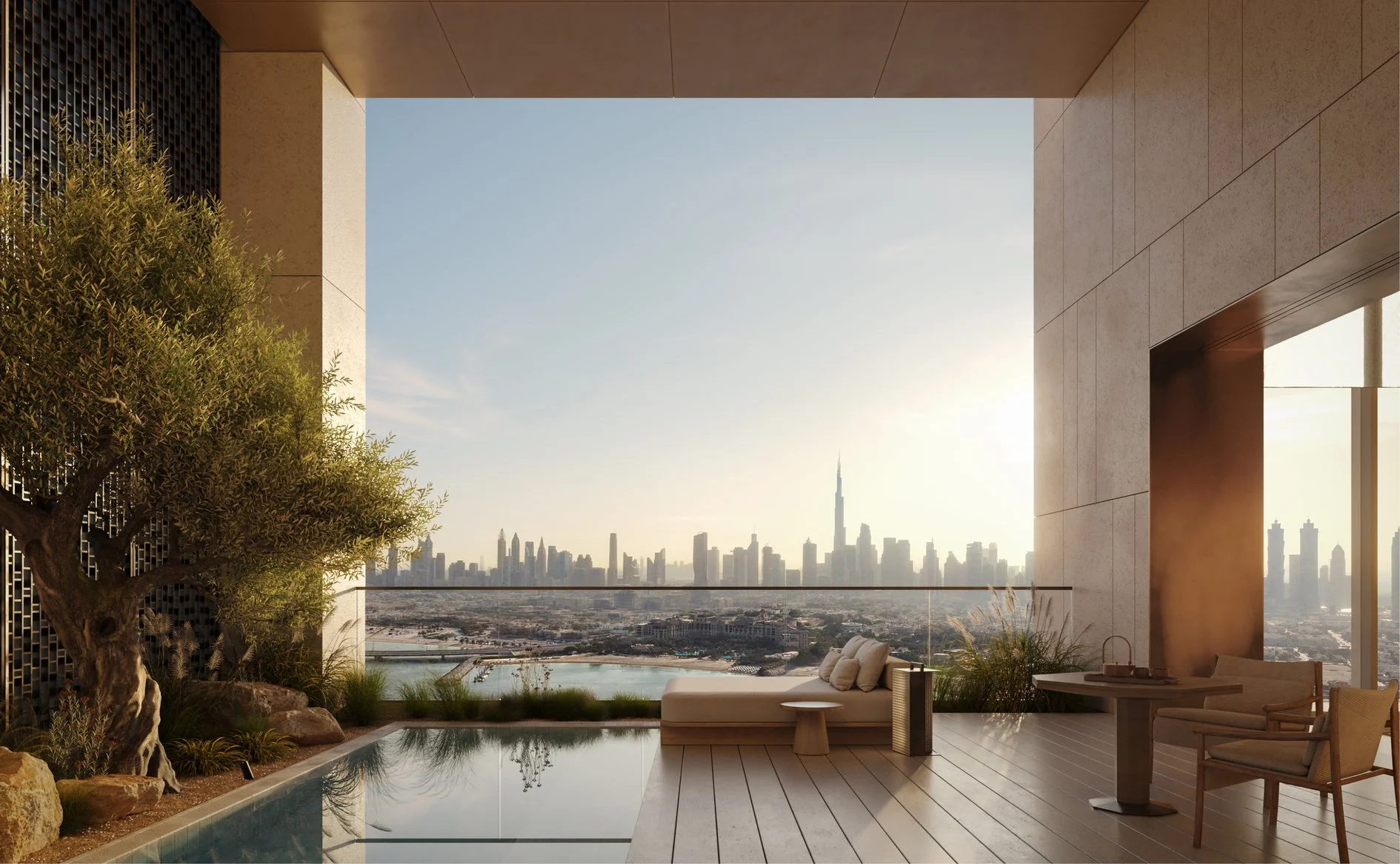
Design here is evolving beyond glamour into modern architecture rooted in tradition: wind towers, shaded passageways, desert geometry, strong materiality. Client favourites include:
Aman Dubai / Aman Residences, Dubai (Jumeirah Peninsula)
The Chedi Muscat (Oman)
Qasr Al Sarab Desert Resort by Anantara (Liwa Desert)
Bab Samhan, a Luxury Collection Hotel (Diriyah, Riyadh)
RISING SATELLITE CITIES IN EUROPE
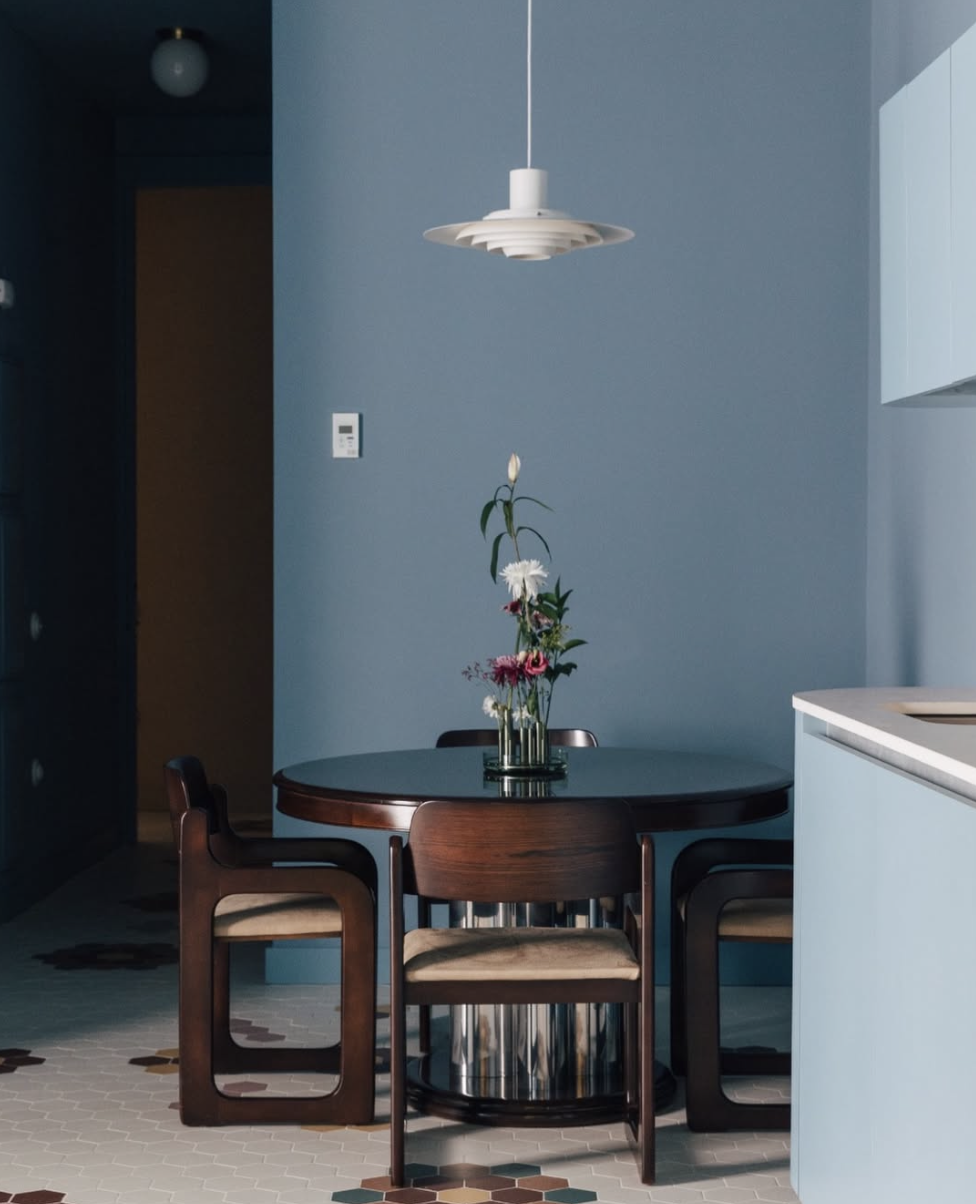
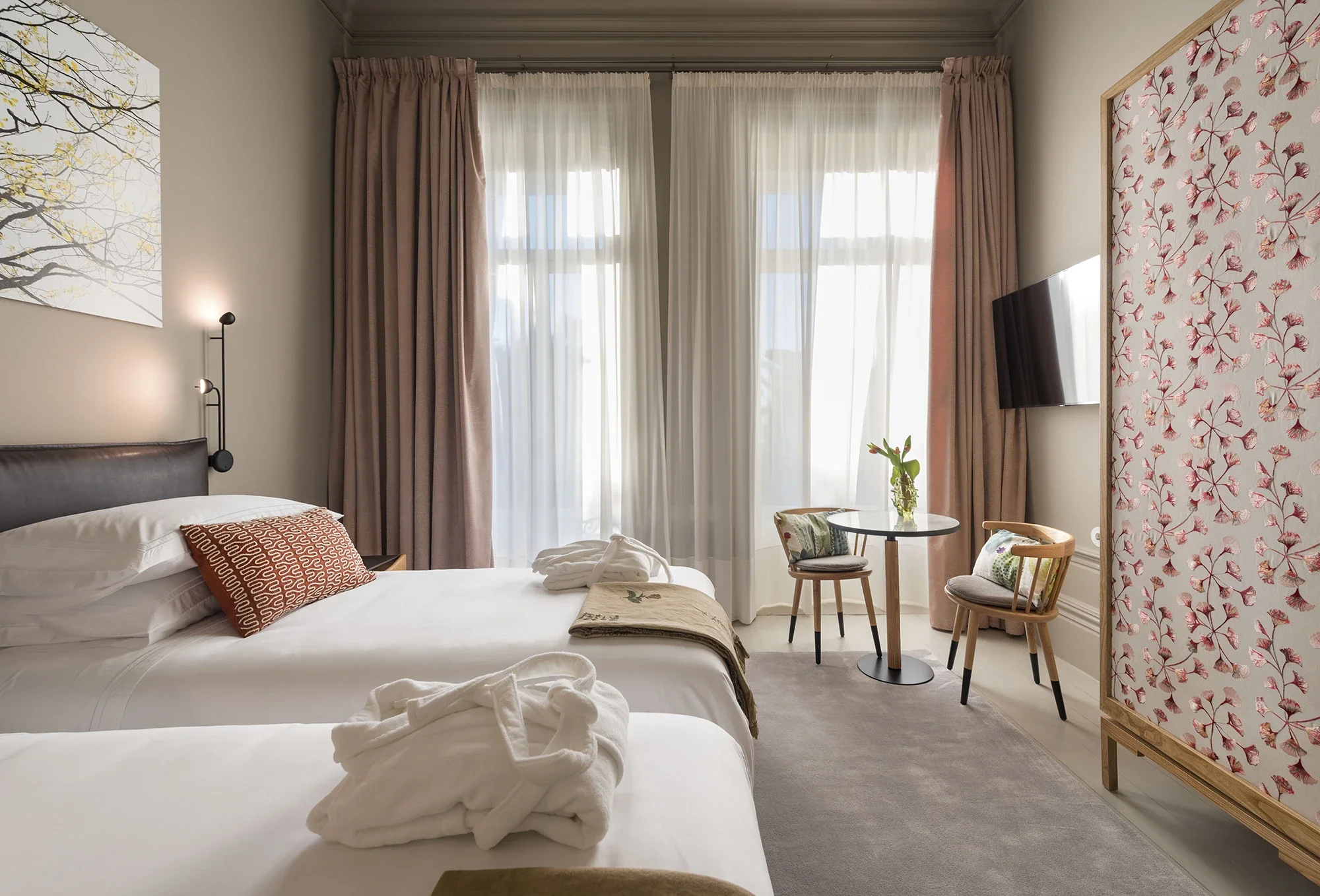
Some of the most exciting design hotels in 2026 are emerging in Europe’s quieter cultural capitals - places like Valencia, Porto, Turin, Trieste, Bergen and Ljubljana. These cities have strong local identity and creative energy, but are not forced into a “global luxury template”, which often leads to far more interesting architecture, materials and interiors.
Casa Clarita (Valencia)
Jardins Do Porto (Portugal)
Book with Us
In 2026, the best hotels will not be defined by how “luxury” they appear but by how intelligently they are built, and design hotels are back because travellers have evolved: they aren’t looking for perfection. They are looking for taste. If you’d like to explore one of the recommended destinations above, get in touch with us and we’ll be happy to discuss.