Deep Luxury: Why the Most Sophisticated Travel in 2026 is the Quiet Kind
In an era of overstimulation, true luxury is no longer about visibility. It’s about privacy, depth, and the rare pleasure of feeling entirely unhurried.
For decades, luxury travel was designed to be noticed. It came with the predictable signals: recognisable hotels, celebrity-chef restaurants, “best suite” culture, and a certain glossy loudness that served as proof you had arrived. But 2026 is telling a different story, and it’s a smarter one.
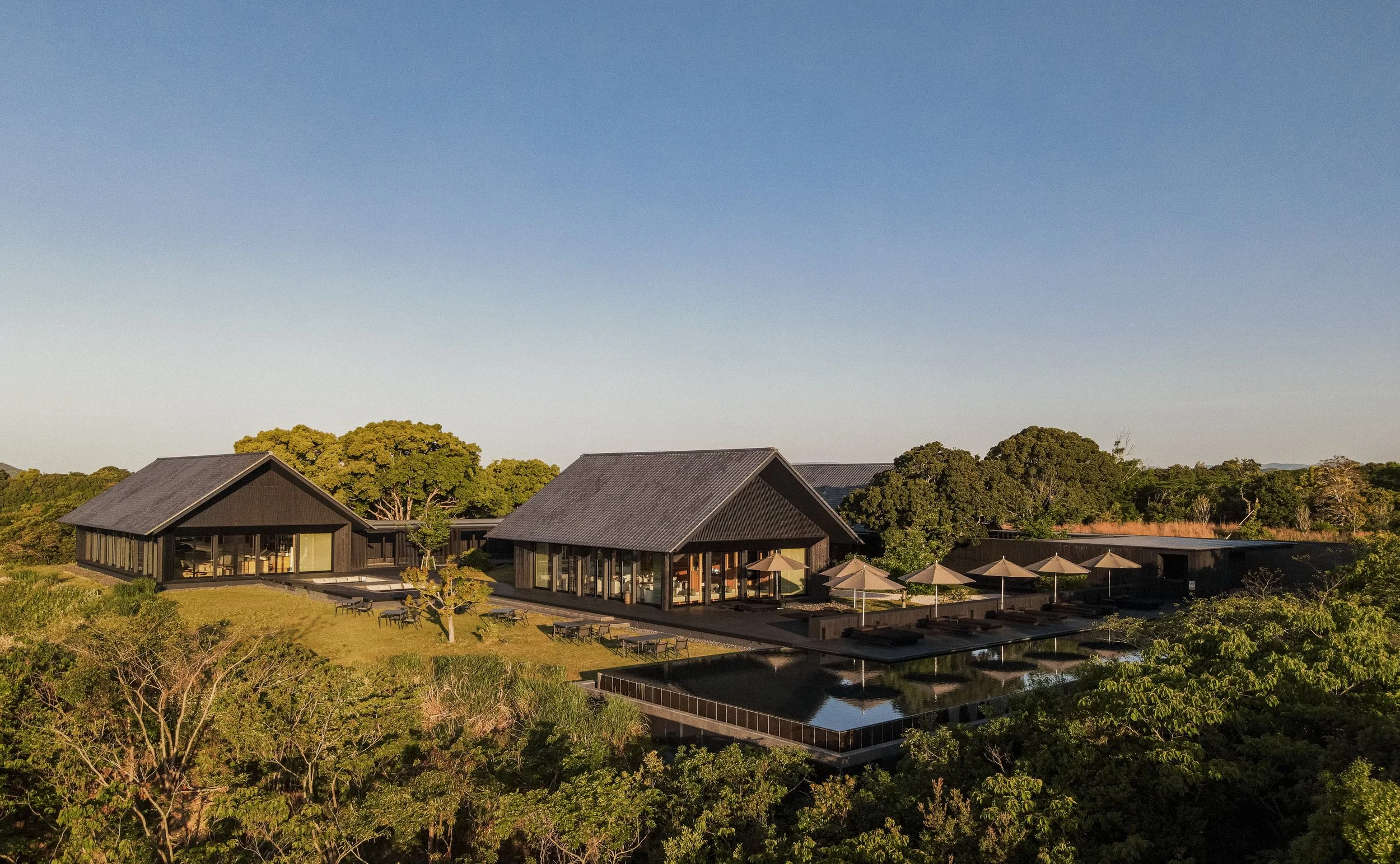
A new travel philosophy is emerging across the luxury world: Deep Luxury. The idea is simple, yet radical. The finest travel experiences today are not defined by flash or scale, but by how they make you feel: calm, restored, and quietly elevated. Deep Luxury is what happens when travel stops being a performance and becomes a private form of wellbeing.
It favours places that understand stillness. Hotels that curate silence as thoughtfully as they curate interiors. Experiences built around slowness, nature, ritual — and an almost obsessive devotion to privacy and personalisation. It is less about being photographed, and more about being transformed.
What Deep Luxury looks like (and why it’s replacing ‘quiet luxury’)
The phrase “quiet luxury” became a fashion shorthand, but travel has taken the concept further. Deep Luxury is not about minimalism for aesthetics’ sake; it is about psychological spaciousness. Key markers of Deep Luxury travel in 2026 include:
Privacy as the foundation
Not just private transfers — but private time. The ability to move through a property without crowds, noise, or friction. It’s why high-end travellers are gravitating towards villas, residences, and low-key ultra-luxury lodges with few keys.
Service that feels invisible
Deep Luxury service isn’t performative. You’re not constantly asked how you’re feeling or whether you’d like to upgrade. Instead, everything is simply… done. Smoothly. Before you think to ask.
Sensory design
Materials matter. Light matters. Silence matters. Architecture becomes part of the wellness experience — courtyards, natural textures, shaded spaces, water, and airflow designed to soothe the nervous system.
Travel that gives something back
Not in a moralising way — but in a deeply human one. Guests want to return home better: rested, lighter, clearer. Deep Luxury is anti-exhaustion.
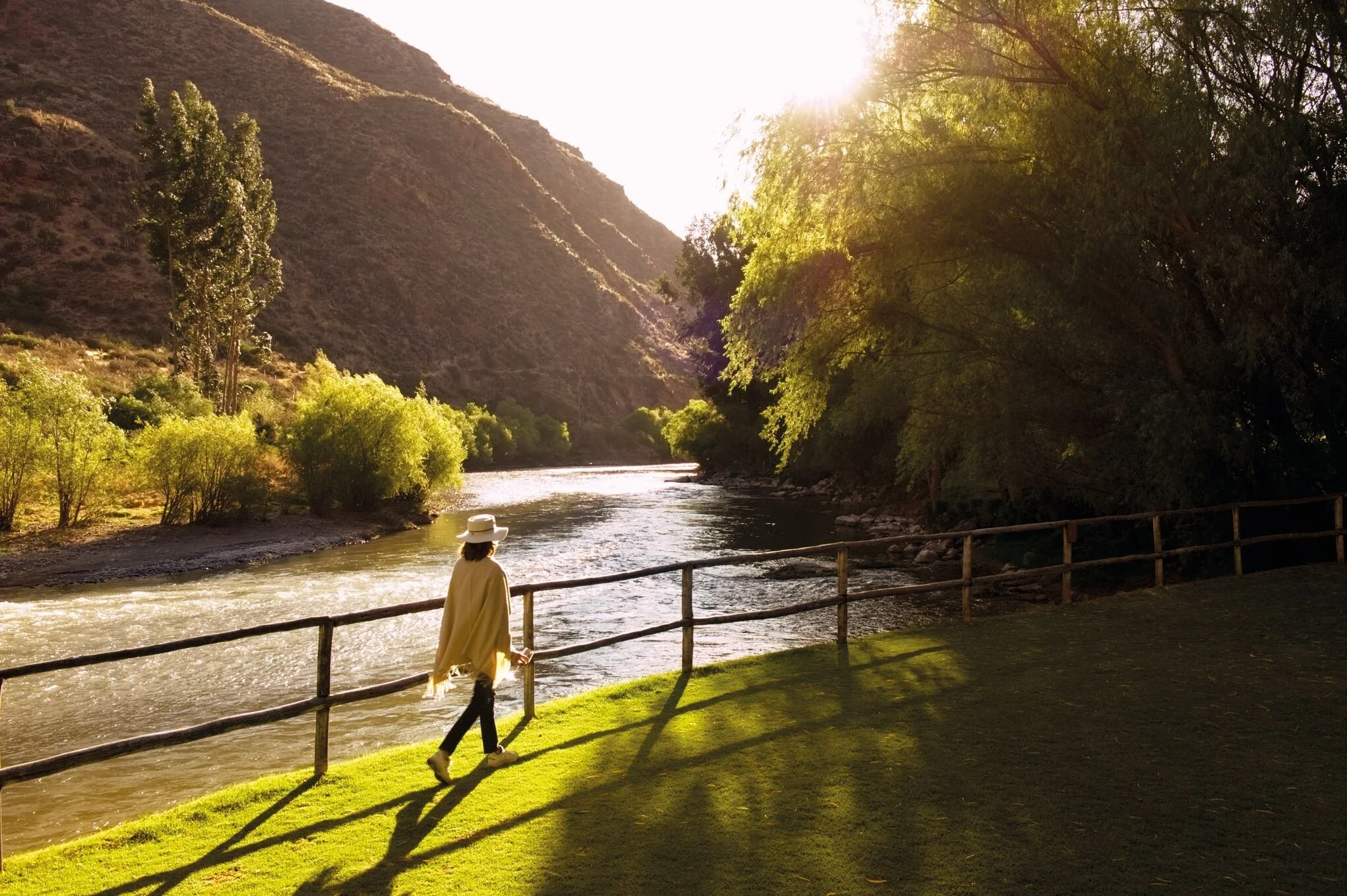
How to Book Deep Luxury experiences: The 2026 Rule
Here’s the shift: travellers aren’t just choosing destinations. They’re choosing states of being. Before booking, ask:
Will this place reduce stimulation or add to it?
Does it offer privacy without isolation?
Is the design restorative?
Is the experience curated… or crowded?
Deep Luxury is often found not through popularity, but through precision.
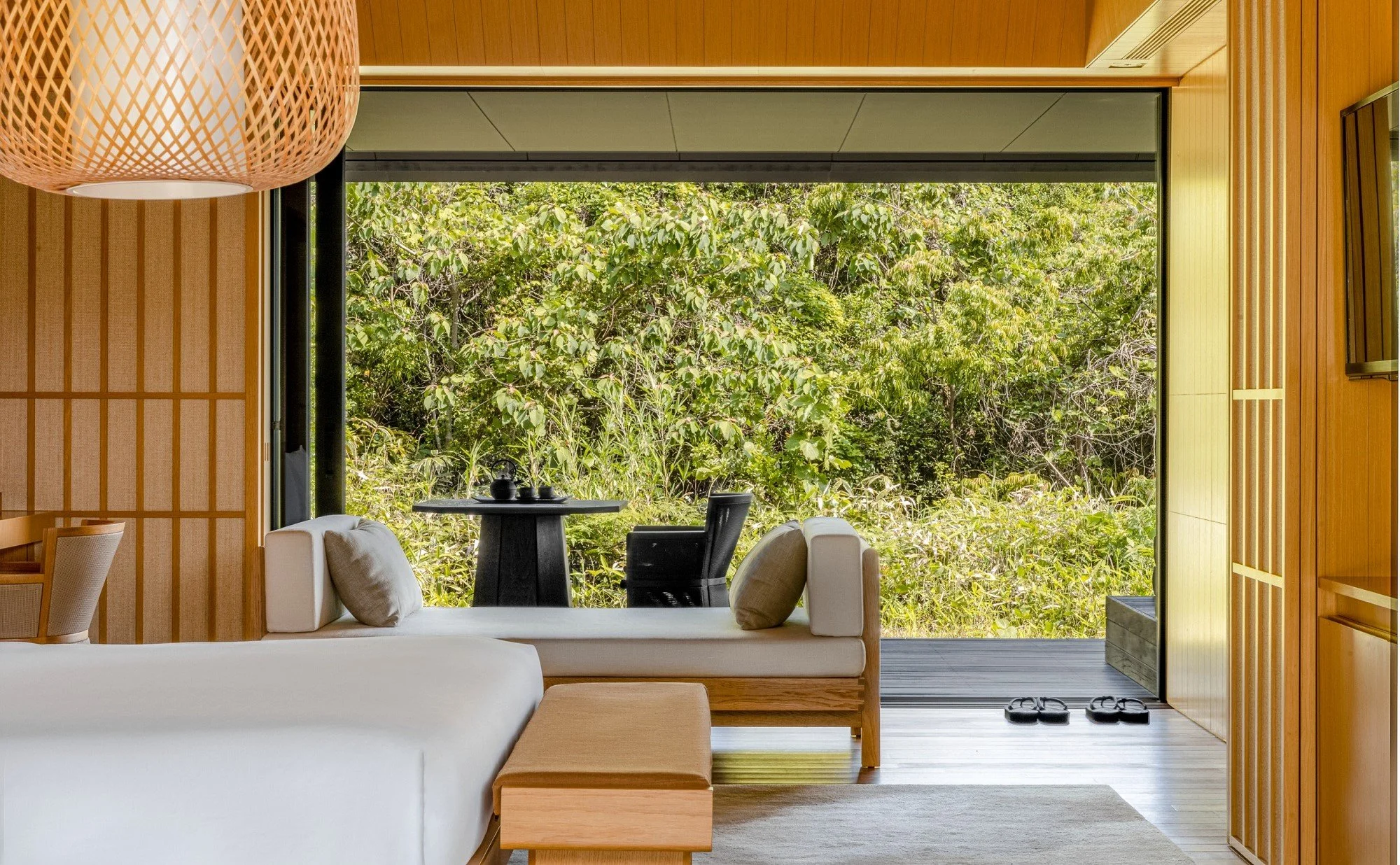
The best types of trips for Deep Luxury in 2026
1) The private-villa stay - A villa is no longer a “bigger room”. It’s a different travel lifestyle: space, staff, privacy, and calm.
2) The desert retreat - Desert travel has become the modern reset. Less distraction. More atmosphere. Time becomes elastic.
3) The slow island - Islands are still the great luxury escape, but in 2026 travellers favour quieter islands — places where sophistication exists without crowds.
4) The mountain sanctuary - Alpine escapes are evolving: less ski frenzy, more high-altitude wellness, fireplaces, spa rituals, and silence.
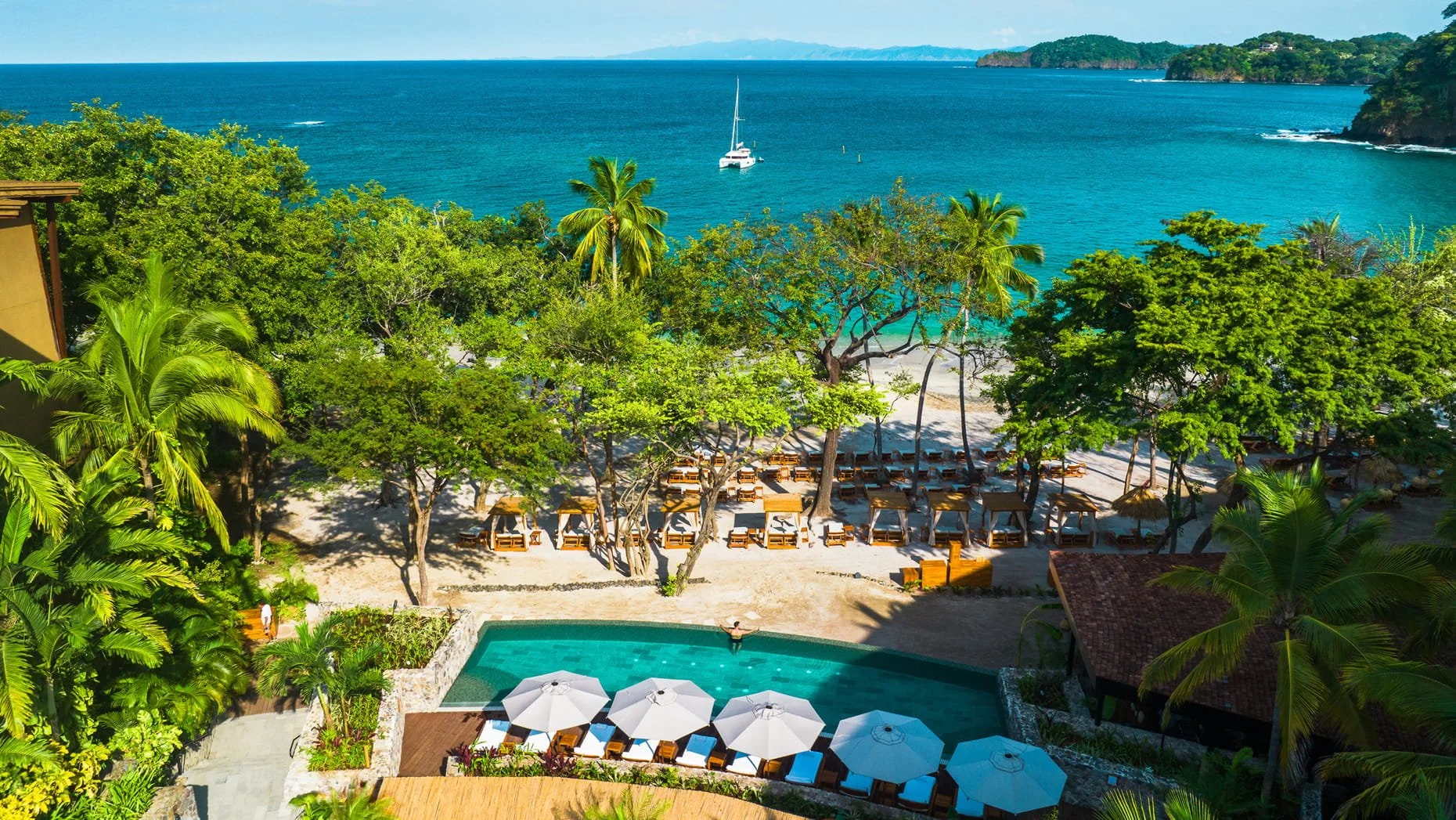
Book with Us
Deep Luxury isn’t a trend you can “do”. It’s a posture. An editorial decision. A refusal to travel in ways that exhaust you. In 2026, the most sophisticated travellers are no longer trying to impress anyone. They’re travelling for depth, for stillness, and for a more beautiful pace of life.
If you’d like to explore one of the settings recommended above, get in touch with us and we’ll be happy to discuss.