Iceland in March: Where Winter’s Magic Meets the Promise of Spring
Northern lights, ice caves, and longer days in the land of fire and ice
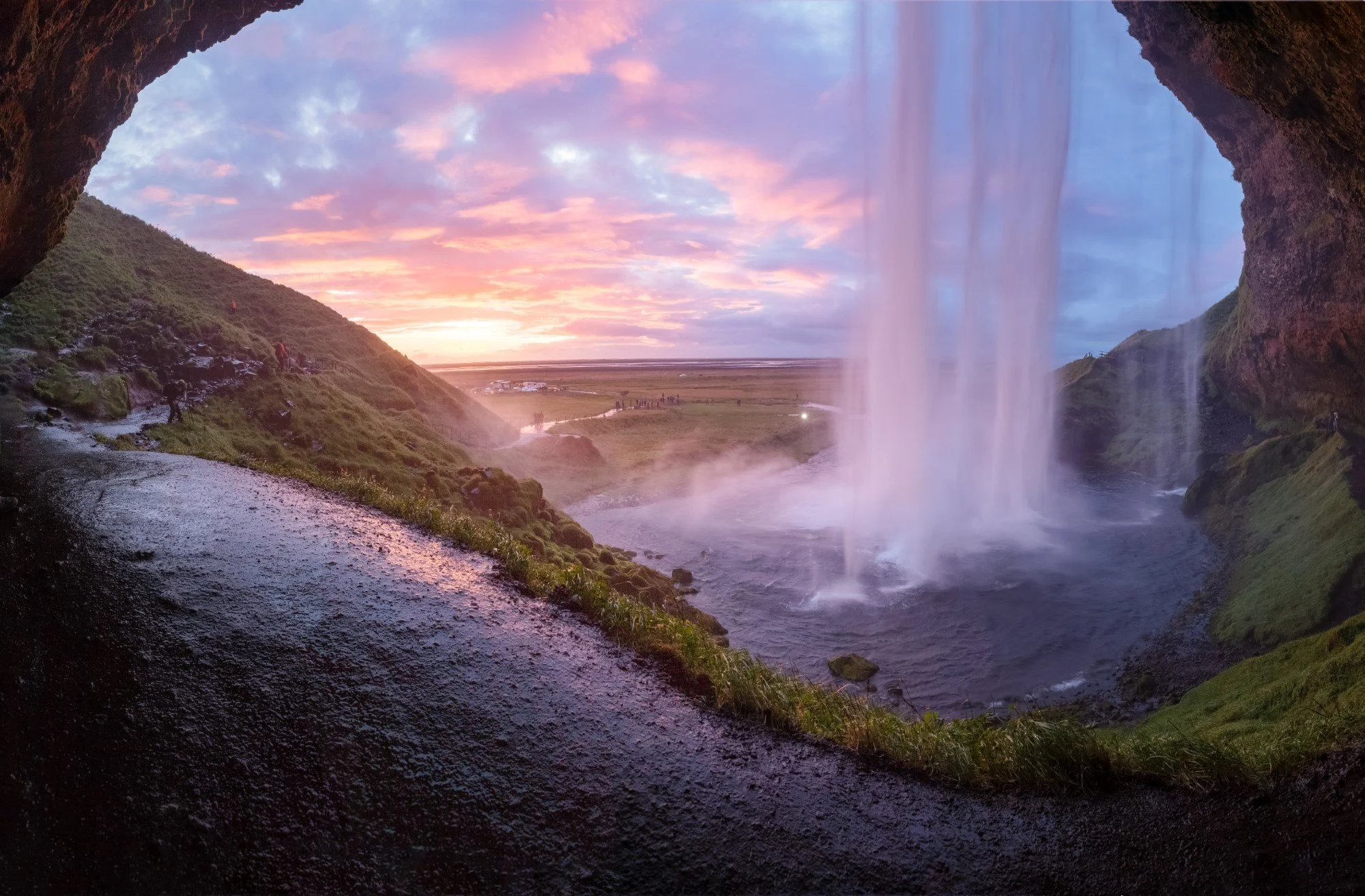
March is one of Iceland’s most fascinating months to visit. It sits delicately between winter and spring, when snow-covered landscapes remain dramatic yet daylight begins to stretch further into the evening. The season offers a rare combination: the final opportunity to witness the Northern Lights while enjoying slightly milder weather and longer days for exploration. For travellers who dream of seeing Iceland’s glaciers, volcanic landscapes, and geothermal wonders without the height-of-summer crowds, March presents a particularly compelling moment to go.
A Seasonal Turning Point in Icelandic Tradition
In the Old Norse calendar, March corresponds to the month of Góa, the penultimate month of winter. According to tradition, Góa is the daughter of King Þórri, and the month is dedicated to women. Icelanders celebrate Konudagur, or Wife’s Day, at its beginning - a charming cultural custom honouring women with flowers, meals, and thoughtful gestures.
Góa lasts thirty days, after which the final winter month, Einmánuður, begins around March 25. Because the traditional calendar follows the rhythm of the sun, March and April mark a natural seasonal shift - when winter gradually loosens its grip and Iceland prepares for the return of spring.
What the Weather Is Like in March
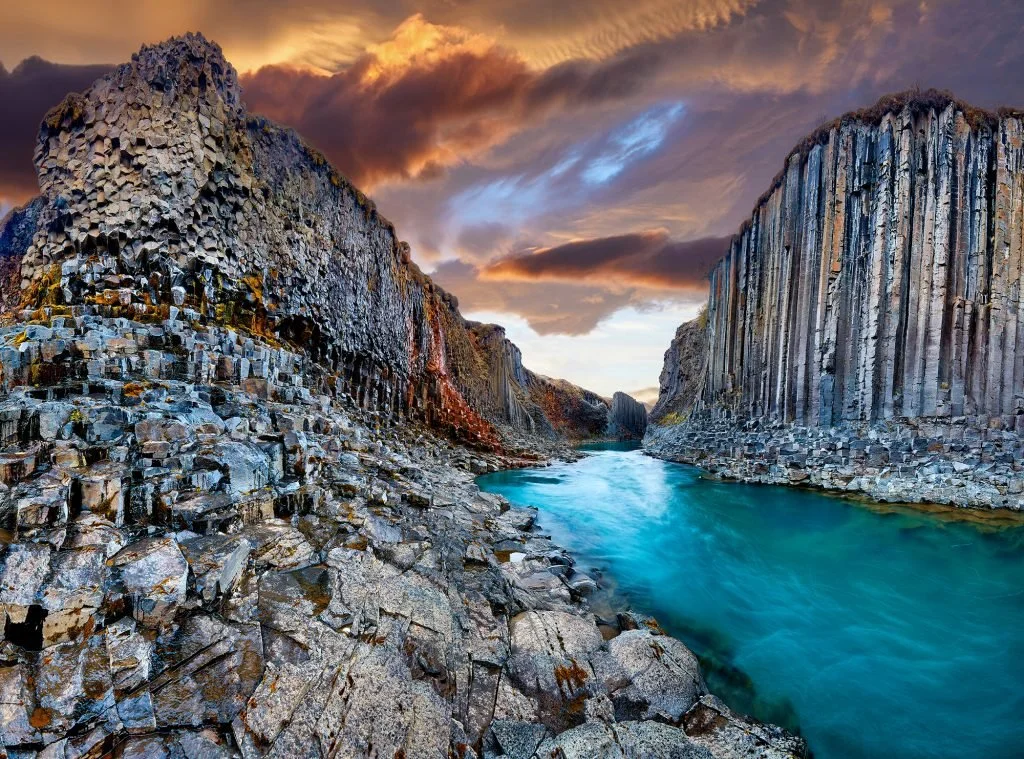
March in Iceland offers a dynamic mix of weather conditions. Coastal temperatures typically range between 0°C and 5°C, while inland areas can be colder. Travellers can expect a varied landscape of snowfalls, rain showers, crisp clear skies, and occasional bursts of sunshine. With daylight hours steadily increasing, visitors gain more time to explore Iceland’s dramatic scenery - from volcanic fields and glaciers to black sand beaches and waterfalls partially frozen in ice.
Weather can change quickly, however, and strong winds or snowstorms remain possible, especially earlier in the month. Flexibility - and the right clothing - are essential for enjoying Iceland comfortably during this transitional season.
Dressing for Iceland in March
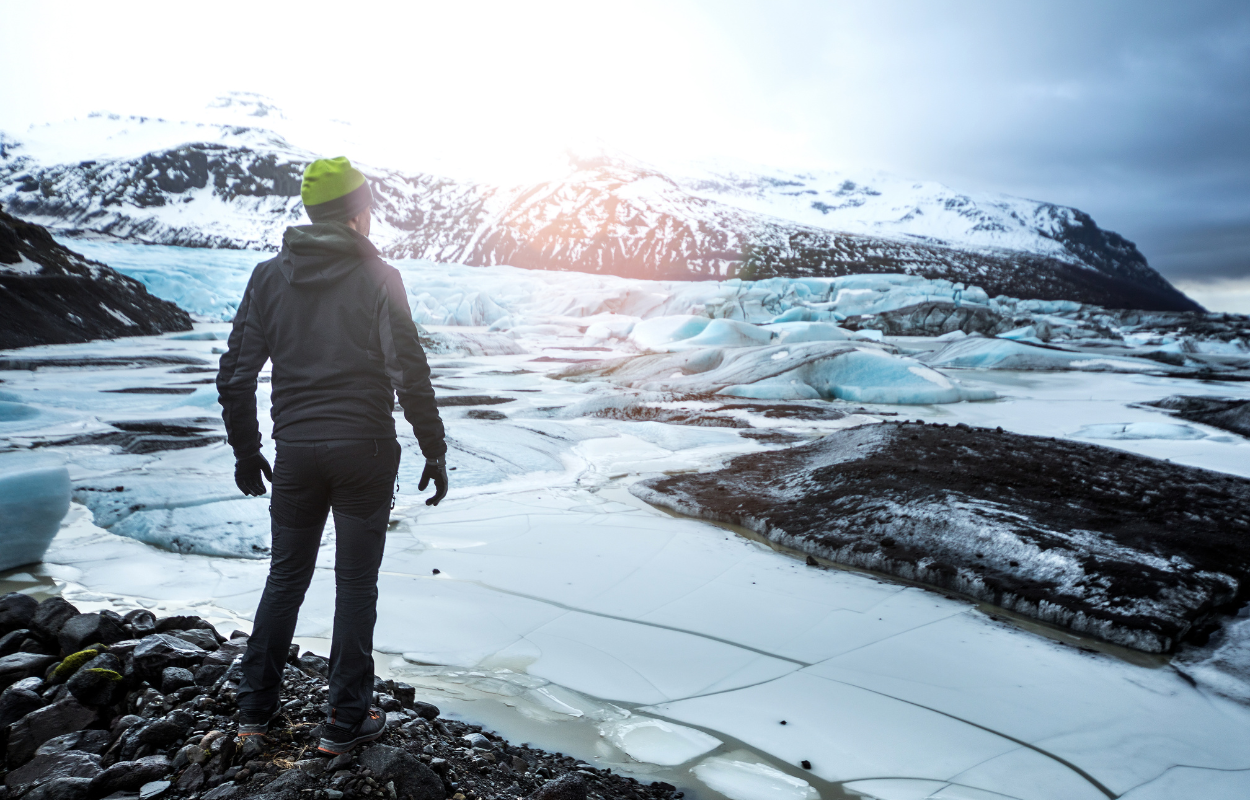
Packing wisely makes all the difference in Iceland’s unpredictable climate.
A layered approach works best:
Thermal base layers to retain warmth
Insulating mid-layers such as fleece or wool sweaters
A waterproof and windproof outer coat
Waterproof trousers
Sturdy boots with strong grip for icy or slippery terrain
Accessories like gloves, scarves, and a warm hat are equally essential. With the right preparation, Iceland’s weather becomes part of the adventure rather than a challenge.
Chasing the Northern Lights
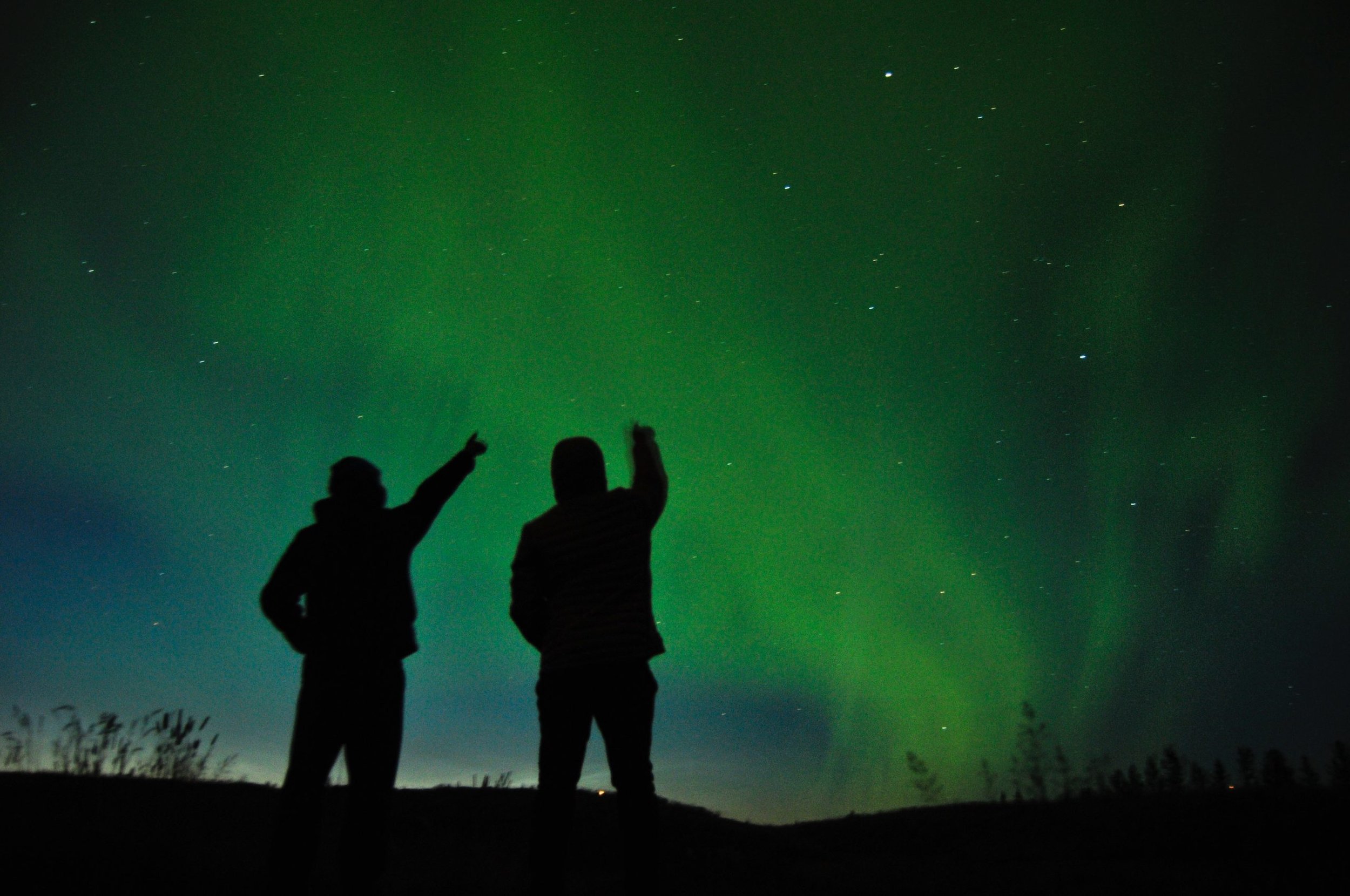
March remains one of the final months to experience the Aurora Borealis before Iceland transitions into its bright summer nights. In fact, conditions can be particularly favourable. Milder weather and fewer storms often bring clearer skies — an essential ingredient when searching for the Northern Lights. Watching the green and violet ribbons dance across the Arctic sky is an unforgettable experience. Many travellers choose to venture outside late at night in remote locations far from city lights, wrapped in warm layers and anticipation.
For romantics, the spectacle has even become a popular setting for proposals - few backdrops are more magical.
Exploring Iceland’s Blue Ice Caves
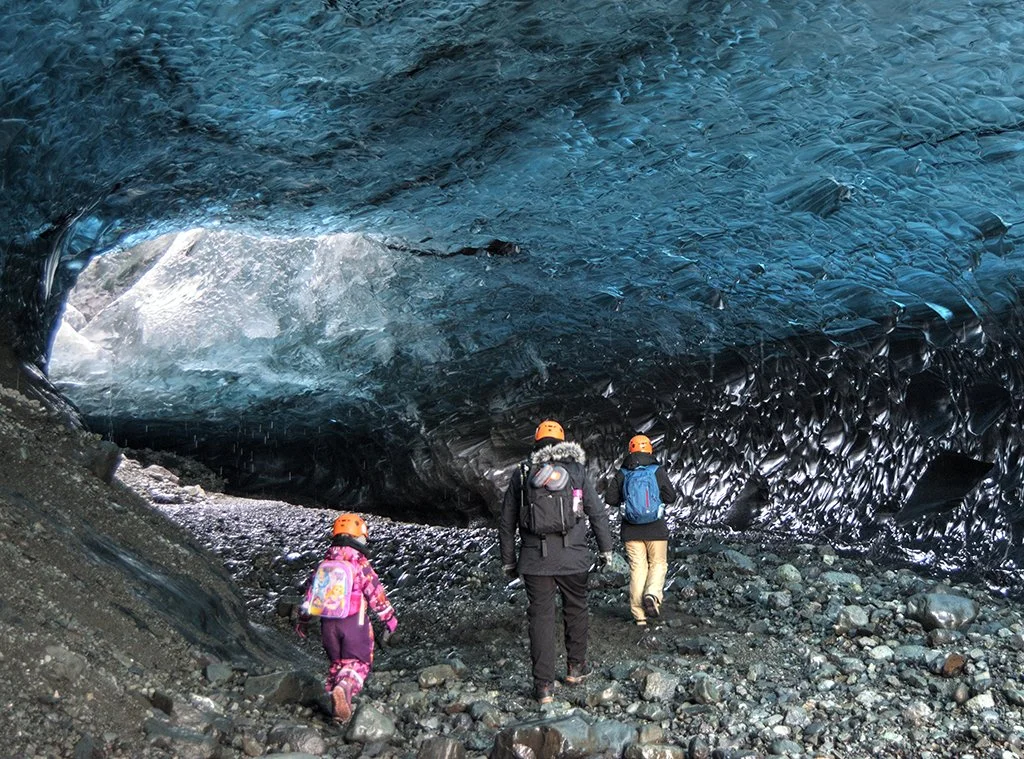
Winter and early spring also offer access to one of Iceland’s most extraordinary natural wonders: blue ice caves beneath glaciers. These frozen chambers, formed by meltwater channels within glaciers, glow with a deep sapphire hue that feels almost otherworldly.
One of the most popular locations is Vatnajökull, Europe’s largest glacier, where guided tours take visitors safely into the shimmering formations. Another option is Mýrdalsjökull, near the coastal village of Vík. Because ice caves are seasonal and highly sought after, booking tours in advance is strongly recommended.
Winter Adventures Still in Season
March also remains an excellent time for classic winter activities.
Travellers can experience:
Dog-sledding tours, led by enthusiastic Arctic huskies
Snowmobile excursions across glaciers
Glacier hikes with expert guides
Geothermal bathing in Iceland’s famous hot springs and lagoons
Cultural experiences in Reykjavik’s museums and galleries
The combination of adventure and relaxation makes Iceland uniquely rewarding during this time of year.
Planning Your Iceland Journey
As the days grow longer and travel demand begins to increase, March is also an ideal moment to start planning summer journeys to Iceland, when the country’s landscapes transform once again under the midnight sun.
From glacier expeditions and Northern Lights hunting to curated private tours through volcanic valleys and coastal fjords, Iceland offers experiences unlike anywhere else on earth.
For bespoke itineraries, luxury stays, and curated travel planning in Iceland, contact The Betesh Group.
Our team works with trusted local partners to design journeys that reveal the country’s most extraordinary landscapes — at exactly the right moment of the year.
Book with Us
For bespoke arrangements and preferred partner benefits at hotels in Iceland, contact The Betesh Group. Our team will ensure your stay is thoughtfully tailored - from the right table at Matsalen to the exhibitions not to be missed.